
Check out some of Australia’s best boating destinations within 60 minutes of major cities.
Explore Australia's capital cities by boat
By Catherine Lawson | Photography by David Bristow | Published 13 August 2026
In this article
Where to go boating in:
City waterways for boating close to home
Armed with a list of great places to go boating, fishing, swimming and wildlife watching - all within an hour’s drive of Australia’s capital cities - you can slice your travel time and keep fuel costs down.
Why you should consider city boating for your next adventure:
- Great escape: Cruising close to home helps save fuel and is ideal for novice skippers.
- View with a difference: Boating alongside iconic city backdrops is a quintessential Aussie experience.
- Fantastic angling: Fishing spots can be crowded but there are plenty of options. Check with state regulations.

Image: Manly Boat Harbour, credit Paul Ewart, Tourism and Events Qld
The best boating in Brisbane
The best of Brisbane’s boating happens in Moreton Bay, all the way from the Gold Coast north to Bribie Island. This coastline is a hundred destinations in one, offering everything from wreck diving, snorkelling and camping to island hopping, fishing and surfing. And with the Brisbane River wrapping around the city, you don’t have to travel far to hit the water.
Follow the river downstream or launch at the Port of Brisbane boat ramp and shoot straight out into Moreton Bay. Other popular launch sites include Manly Boat Harbour and Raby Bay.
North Stradbroke Island: A sandy wilderness of calm blue bays with the protected Canaipa Passage on one side and wild coastline to the east, North Straddie is an angler’s paradise with plenty of campsites and walking trails, a surf break at Point Lookout, and a protected anchorage at Deanbilla Bay near Dunwich.
Coochiemudlo Island: Located just 1.5nm from Brisbane’s Victoria’s Point, Choochie, as it’s known, is a good choice for day and half-day trips to fish, swim and spot turtles, dugongs and dolphins.
Peel Island: Turquoise-hued Horseshoe Bay on the island’s southern side hugs a sandy beach and high sandstone cliffs, and permits camping. To hide from the southeasters, push around to Platypus Bay where you can dive a large shipwreck. Fishing is permitted in the island’s yellow conservation zone (conditions apply).
Moreton Island: Anchor at Tangalooma to snorkel and dive on 15 wrecks that form an artificial reef, or head south to anchor in 3 to 4m of sand at Lucinda Bay for calm-water stand-up paddleboarding and swimming, and easy catches of dart. The western side of Moreton Island is for chasing mackerel and tuna.
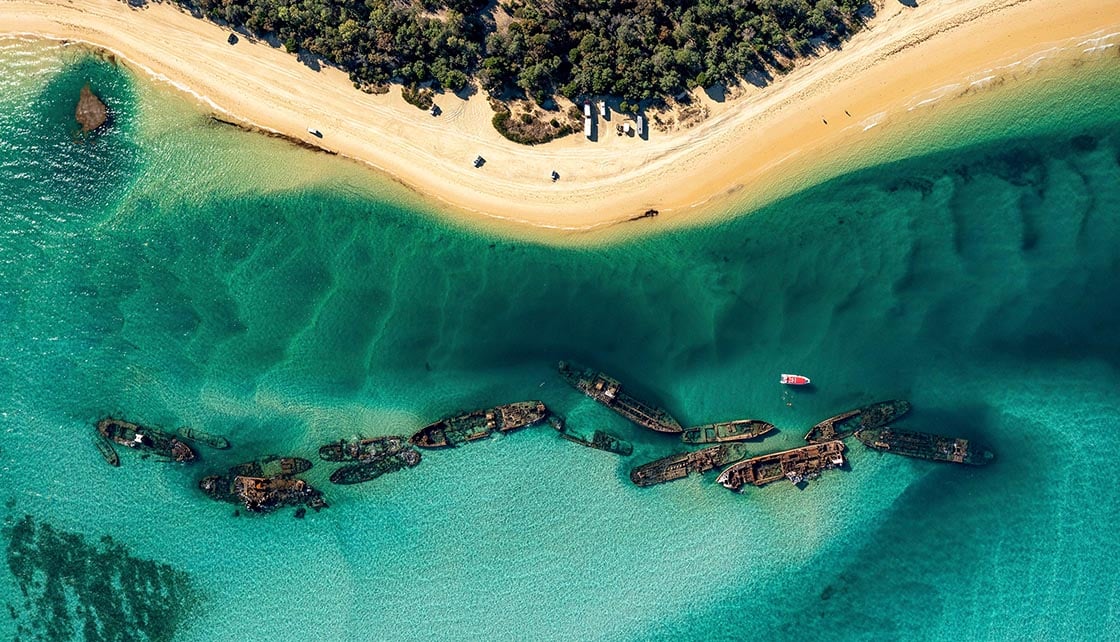
Image: Moreton Island, credit The Edit Suits, Tourism and Events Qld
Pumicestone Passage: Cruise this sheltered mangrove-fringed waterway between the mainland and Bribie Island to go birdwatching and fish for flathead, bream, dart, whiting, and catch crabs and prawns, too. Launch at Spinnaker Sound Marina at Sandstone Point or the Bellar ramp.
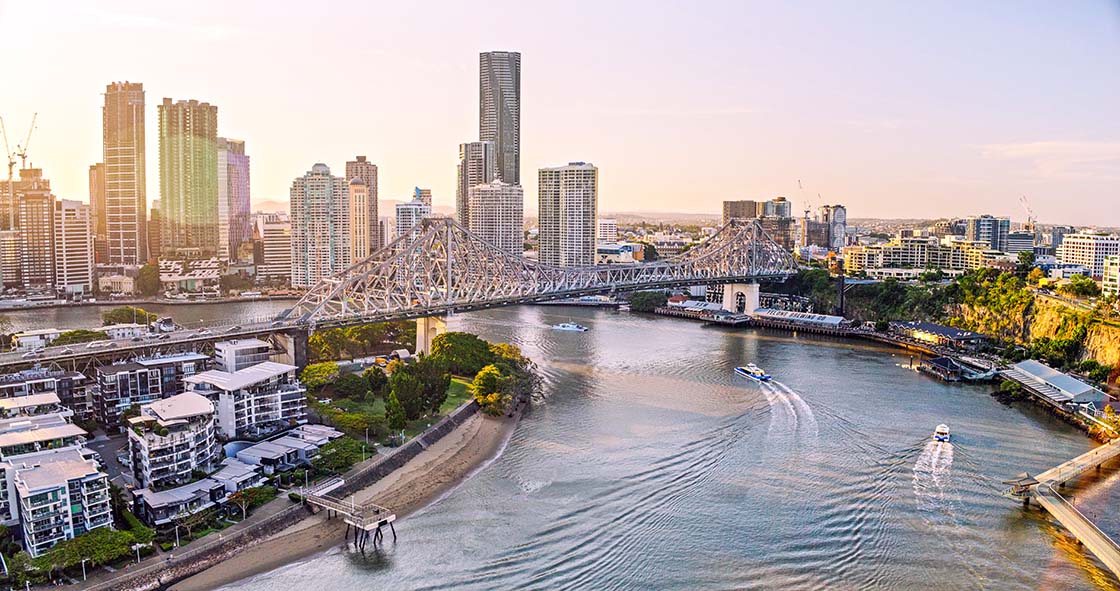
Brisbane River: Take an urban cruise through the CBD from Story Bridge past the Kangaroo Point cliffs to South Bank and beyond. Launch at ramps from Jindalee to New Farm, pick up a mooring at Dockside or Rivergate Marina to explore the CBD, or dangle a line for a catch of bream, tailor, threadfin salmon, snapper or jewfish.
More information: qld.gov.au/transport/boating

Image: Swan River, Perth credit Tourism Western Australia
Where to go boating in Perth
In December last year, the WA Government banned boat-based fishing of significantly depleted demersal scalefish from Kalbarri to Augusta until Spring 2027. Species include coral trout, red emperor, pink snapper and WA dhufish.
Land-based demersal fishing around Perth is still permitted, with a bag limit of two, outside of existing spawning closures. Boat-based anglers can target a swag of other great-tasting species, including blue swimmer crabs, black bream, tailor, whiting, flathead and flounder – all found year-round along Perth’s 72km-long Swan River.
Swan River: Stretching from Walyunga National Park, through the CBD south to Fremantle, the Swan River attracts giant herring and mulloway from October to April. Try at Canning Bridge, Narrows Bridge, or Blackwall Reach on the southern side of the river. For prawns, head to Mosman Bay in the cooler months, preferably after the first rains on a strong outgoing tide.
Explore scenic Freshwater Bay at Claremont, and head upstream onto the river’s quieter reaches around Guildford. Close enough to enjoy the city skyline for a spot of night fishing, the calm, sandy-bottom anchorage at Matilda Bay suits kayakers and paddleboarders.
Rottnest Island: The MO for boats heading to Rottnest, 23nm off the coast, is to launch early then return early in the afternoon before the swell picks up. For calm anchorages, stick to the well-protected Geordie Bay, Parakeet Bay with its great visibility for swimming, and Thomson Bay to step ashore for lunch.
Hook up to a public mooring at Parker Point for snorkelling and spotting turtles grazing the seagrass (pay admission and mooring fees at ria.wa.gov.au). The calmer the day, the more comfortable the ride, but you should expect heavy swell on the island’s western side, especially when the Fremantle Doctor blows in.
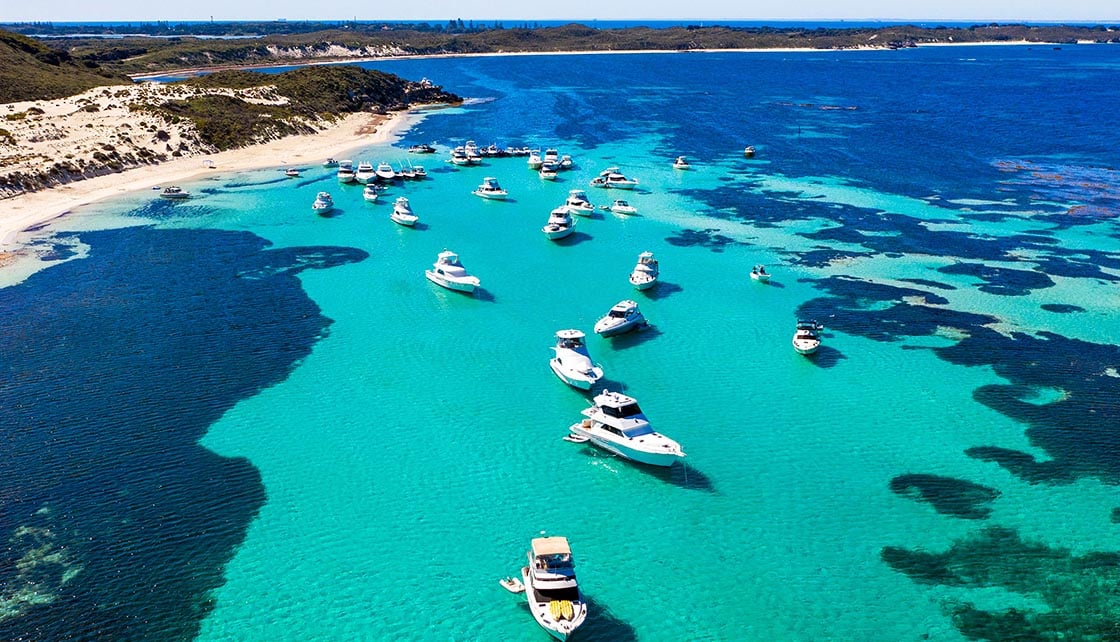
Image: Rottnest Island, Parker Point, credit Tourism Western Australia
North Perth: For those living north of the city, launch into the deep, uncrowded waters off Quinns, Burns and Mindarie to snare western rock lobsters (especially over the summer months), and offshore pelagics such as mackerel and tuna.
Rockingham: Protected Coburn Sound nurtures squid, herring and whiting, and you can fish for otherwise protected pink snapper from the long, arcing beach. South of Point Peron, boat ramps at Safety Bay provide access to incredible wildlife encounters in Shoalwater Islands Marine Park - Australian seals, dolphins and little penguins. Slow down for wildlife in this stunning boating and paddling destination, and be aware that natural sandbars shift seasonally.
Mandurah and Peel Inlet: An hour’s drive south of the CBD, this huge calm-water inlet is protected, picturesque, and ideal for beginner skippers and slow weekend cruising.
More information: transport.wa.gov.au/marine

Image: Fannie Bay, Darwin
Where to go boating near Darwin
When you live in Darwin, you don’t have to travel far to reach the sea. In a single day you could chase pelagics in bluewater, then nudge up into the mangroves for mud crabs and barramundi. Darwin’s seven-metre tidal range demands that you carefully calculate launch and retrieval times, lest you return to find 100m of mud separating you from the ramp.
Darwin Harbour: The two-lane boat ramp at Dinah Beach hosts anglers keen to squeeze in a few hours of boating after work and return with dinner. Just beyond, launch at East Arm to chase barramundi along the mangroves, or head another 15 minutes south to Palmerston and the Elizabeth River’s wide, dual-lane ramp with mooring pontoon.
All these easily accessible spots get you out onto bluewater in record time for catches of coral trout, sweetlip, red emperor and black jewfish in particular thanks to an abundance of WW2 sunken warships and Cyclone Tracy shipwrecks. Meander south into the tidal creeks and mangrove estuaries around Channel Island for barramundi, bream, blue salmon and golden snapper.
Shoal Bay: Launch off beautiful beaches from Mindil Beach to Fannie Bay, and north to Nightcliff ramp and Lee Point to chase Spanish mackerel and longtail tuna offshore throughout the dry season. Head up Howard River for mud crabs.
Adelaide River: Head 70km east of Darwin to wrangle barramundi in the run-off season and all through the dry, launching from the concrete boat ramp just upstream of Adelaide River bridge. Boat downstream to the river mouth for catches of golden snapper, mud crabs and jewfish.
Leaders Creek: A 50-minute drive from the city, this boat ramp gives you access to Cape Hotham and Vernon Islands. Head here for giant trevally and queenfish, especially during the dry season.
You don’t need a licence to fish NT waters, but there are protected areas, and fish and bag limits apply.
More information: nt.gov.au/marine

Image: Sydney Harbour, credit Destination NSW
Boating in Sydney and surrounds
Pittwater/Hawkesbury River: With Ku-ring-gai Chase National Park as a backdrop, Pittwater gives you calm bays, secluded beaches and over 28nm of coastline to explore. Try Morning Bay, The Basin or remote Refuge Bay for snorkelling. Most provide free public moorings. You can also beach-and-bar-hop your way from Palm Beach to Church Point, or head up the Hawkesbury River to Bar Point to fish, kayak and sample local oysters.
Sydney Harbour: Boating against one of the country’s most iconic backdrops on this immense waterway is a quintessential Aussie experience. Head to Watsons Bay for grand Sydney Heads vistas, fresh seafood and to jig for the squid that might snare you a catch of kingfish or mulloway off Clifton Gardens or Middle Head.
Alternatively, follow North Head’s shoreline from sheltered Quarantine Beach deep into North Harbour to try for Australian salmon, yellowtail kingfish, dusky flathead or snapper.
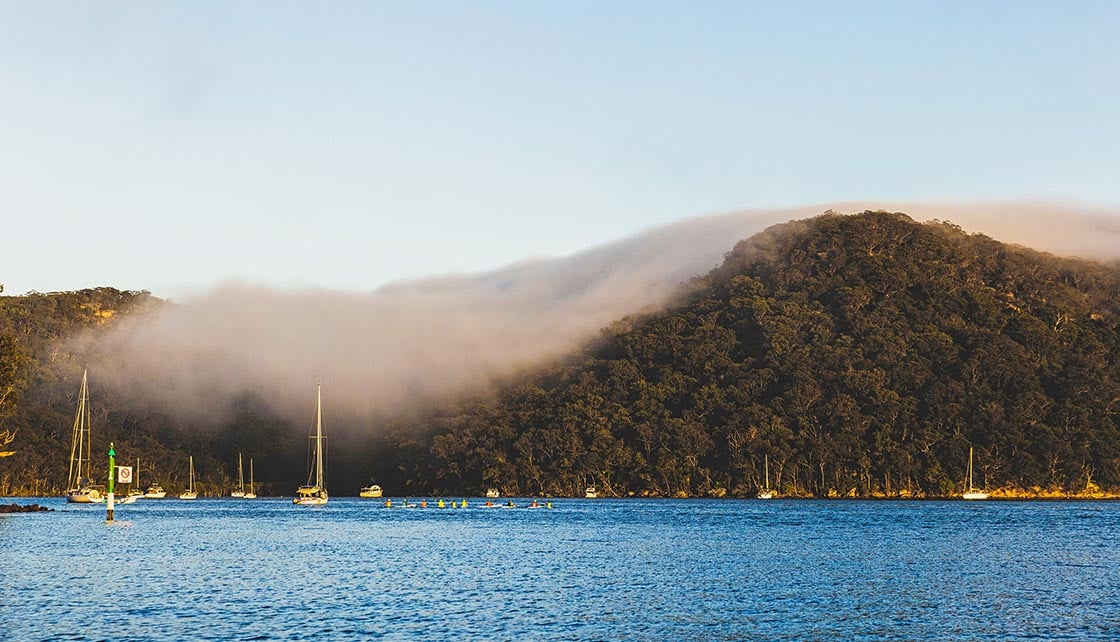
Image: Pittwater, Church Point, credit Destination NSW
Middle Harbour: Surrounded by protected bushland and suburbia, Middle Harbour offers flathead, bream or tailor, paddleboarding or taking a laidback cruise, counting the dolphins en route.
Port Hacking: Port Hacking cuts through national park forests on one side and suburbia on the other. It’s renowned for catches of kingfish and snapper outside the river mouth at Bate Bay, and John dory and kingfish up South West Arm Creek. Launch at Swallow Rock boat ramp at Grays Point, or Wonga Road boat ramp near Yowie Marina.
Anglers must pay the NSW recreational fishing fee ($35/year), and be aware of bag and size limits, and gear restrictions.
More information: dpird.nsw.gov.au

Image: Kayaking in Adelaide, South Australia
Best boating around Adelaide
Gulf St Vincent: Right on the city’s doorstep, this is where you’ll spend find King George whiting, snook, tommy ruff (Australian herring), garfish, and squid. It’s also the capital of blue swimmer crabs and whiting is a reliable clear-water catch. Expect strong tides in the gulf’s upper regions.
Close to Adelaide, three protected, deep-water boat ramps offer easy access straight to the sea. Choose the dual-lane ramp at Middle Beach (51km north of the CBD) or North Haven CYCSA boat ramp, 26km north of the CBD, and accessible on lower tides (fees apply). The busy West Beach boat ramp offers plenty of parking and wash-down bays.
Port River and Garden Island: Keeping small boats safe from the gulf’s ocean swell, this protected river system nurtures wintertime catches of mulloway, salmon trout and mullet during autumn and winter, and black bream and flathead year-round. The estuary has abundant blue swimmer crabs from October to April, but you’ll need a rising tide to reach them from Garden Island or Largs North boat ramps. Head here to cruise along the Garden Island Ships’ Graveyard Maritime Heritage Trail, a watery resting place for 25 long-abandoned boats.
Metro Fishing: Launch from dual-lane O’Sullivan Beach boat ramp near Christies Beach for squid, blue swimmers, flathead or King George whiting. Garfish school up here from October to April – try your luck two hours either side of dawn and dusk. There’s a fish-cleaning station and toilets.
Port Noarlunga and Onkaparinga River: Drive 30km south to the Onkaparinga River mouth, a nursery for squid, mulloway, bream and flathead. Just north, Port Noarlunga Reef Aquatic Reserve safeguards a colourful coastal habitat of more than 200 species to delight snorkellers and divers. Fish the fringes from your boat, or head to the beach to fish the gutters over winter for salmon, and mullet and salmon trout beyond the breakers.
Victor Harbor: For scenic cruising, wildlife encounters and seasonal catches of tuna, head 80km south of the city to Victor Harbor and spend a day boating around marine-protected Granite Island to spot seals, whales and dolphins.
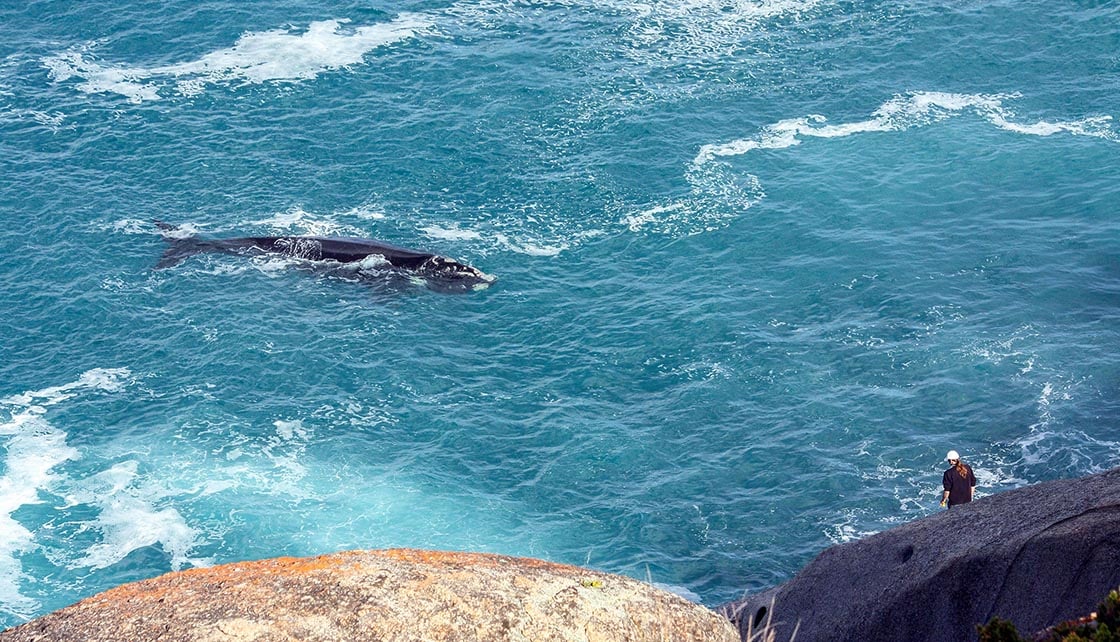
Image: Victor Harbor, credit South Australian Tourism Commission
Lake Alexandrina: This vast boating, camping and paddling destination, an hour’s drive south of the city, offers up golden perch, redfin, carp, Murray cod (from January to July), and yabbies from October to April. There are plenty of boat ramps on the Murray and lakeside, and you can head up the Murray River to Wellington, explore the Finniss River from Clayton Bay boat ramp, or launch at Goolwa Yacht Club to fish nearby Currency Creek. In calm conditions, boat to the river mouth and wind your way through Coorong National Park.
More information: pir.sa.gov.au

Image: Kettering, Hobart credit Tourism Tasmania & Dan Fellow
Beautiful boating around Hobart
Pirates Bay, Eaglehawk Neck: On the Tasman Peninsula, Pirates Bay is a stunning arc of sand bordered by the Blow Hole at Fossil Island, and the Tessellated Pavement to the north. If the westerlies are blowing, head to the western side of Eaglehawk Bay and launch your boat at Taranna boat ramp.
D’Entrecasteaux Channel and Bruny Island: Boating destinations don’t come any calmer, bigger or better than this. Well-protected from westerly winds, The Channel is a great playground for beginner sailors, perfect for small boat angling (and catches of mackerel, mullet, cod and flathead). On North Bruny Island, tuck into Quarantine Bay or the deeper, calmer Duck Pond in Barnes Bay for the night.
To launch, drive 20 minutes south of Hobart to the Margate boat ramp at Dru Point. Boats under 6m can launch at Tinderbox boat ramp, 25 minutes from the city, and another 10 to 20 minutes’ drive south gets you to the Kettering’s Trail Bay boat ramp, at Woodbridge, or at the Gordon boat ramp, protected by a breakwater.
Huon River: The uber-scenic Huon River runs for 174km. Launch from the Huonville boat ramp and head downstream, keeping a close eye on depths and the ubiquitous marine farming leases. Catches here include bream, rainbow trout or Atlantic salmon, and brown trout during spring. Downstream, you can also launch from boat ramps at Port Huon Bay and Surveyors Bay.
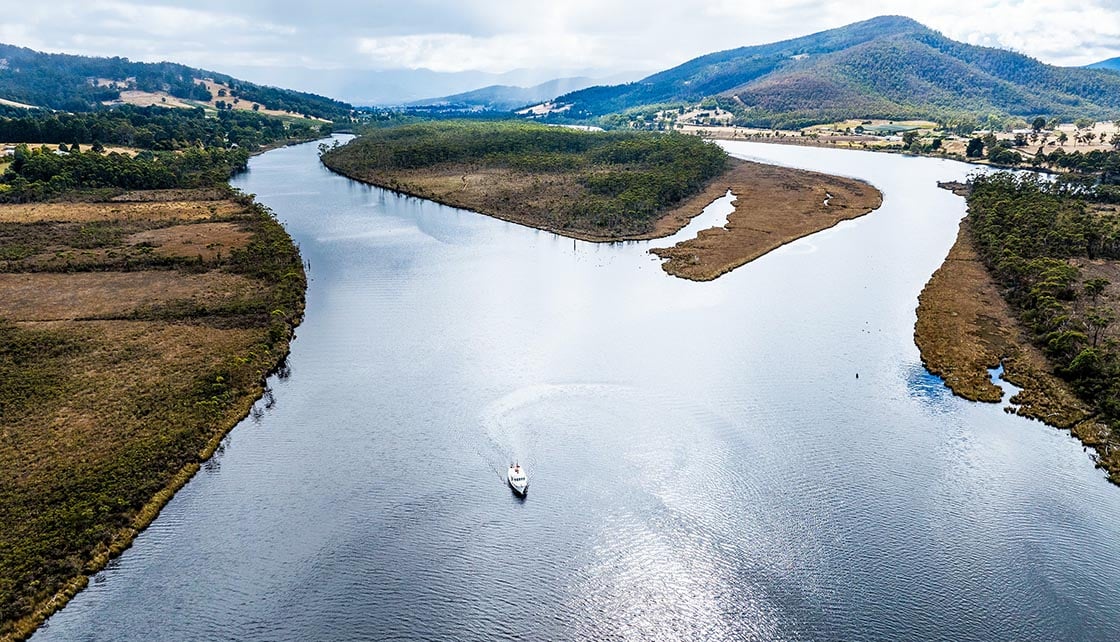
Image: Huon River, credit Stu Gibson
River Derwent: The Derwent winds for around 200km from Lake St Clair to Storm Bay, south of Hobart. But, with some of the highest recorded heavy metal levels in the country, health advisories have taken bottom-feeding bream and shellfish entirely off the menu, and recommend limiting the consumption of other scalefish caught here to 1 to 2 serves a week. The river upstream of New Norfolk is considered safer to fish, especially among fly fishers targeting freshwater trout from early August to April.
Rod-and-line anglers don’t need a fishing licence in Hobart, but bag and size limits, and seasonal closures apply.
Mroe information: fishing.tas.gov.au

Image: Yarra River, Melbourne
Melbourne’s top boating destinations
Port Phillip: Melbourne is a million destinations in one, offering access for small boats to the inner-city Yarra and Maribyrnong Rivers. Boat ramps dotting the coastline from Queenscliff to Stingaree Bay, and from Mordialloc to Sorrento, will have you cruising, fishing and spotting marine wildlife within the hour.
Altona boat ramp gets you out beyond the artificial reef at the end of the pier (popular with kayak anglers) and into deeper waters for catches of squid, flathead, whiting, Australian salmon, and pink snapper from October to December. Across the bay, the Bellarine Peninsula arguably offers summer’s best angling.
Mornington Peninsula: East of the city, you can launch from boat ramps at St Kilda Marina, North Road, Patterson River (with kayak launch), Olivers Hill Pier, Schnapper Point, Safety Bay and more, to try for a plethora of species: squid, salmon, snapper, flathead, silver trevally, garfish, bream, yellow-eye mullet and King George whiting.
Western Port: Access Victoria’s second-largest port from Hastings boat ramp for year-round fishing for everything from bronze whaler and gummy shark to kingfish, pinkies, squid, flathead and whiting.
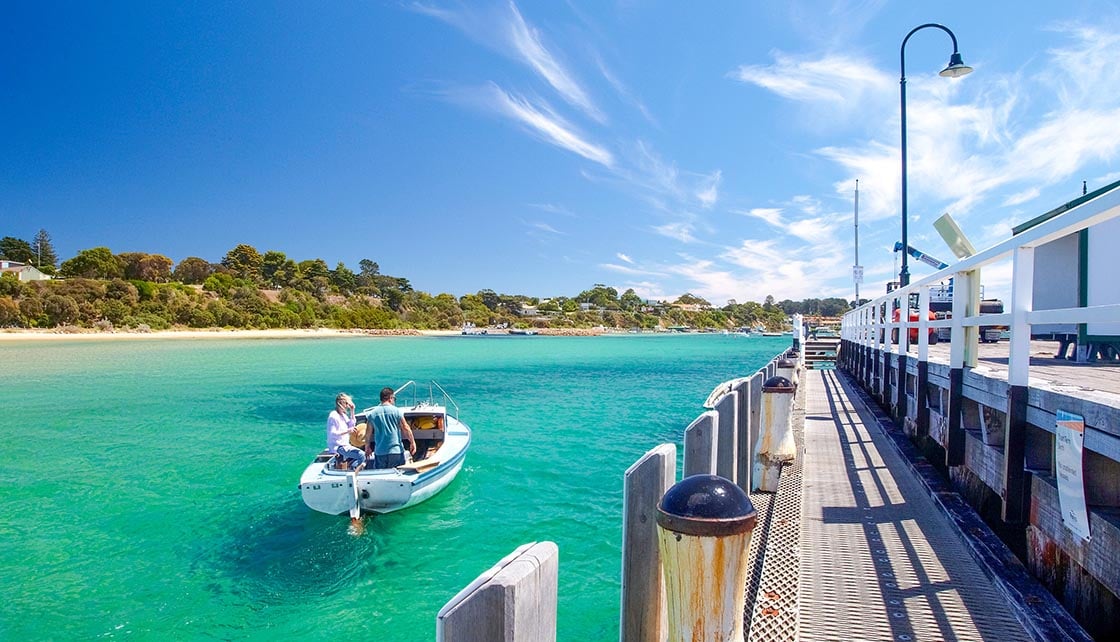
Image: Port Phillip Bay, Sorrento Pier
Yarra River: There are no public boat ramps on the Yarra itself, but small trailerable boats can set out from Warmies ramp at Newport. A maximum speed of 5 knots keeps the day civilised, and bridge clearances will determine how far your vessel can go. If you make it under the Charles Grimes Bridge (3.3m – 3.9m clearance), you can reach the Royal Botanic Gardens and Herring Island in a day. Navigable waters end at Abbotsford. It’s not advisable to eat the fish here, so pack a picnic.
Maribyrnong River: Setting out from Warmies at Newport, the ‘Nong’ pulls you northwest past Flemington Racecourse on a scenic cruise in search of snapper, salmon, bream and mulloway. If you make it all the way upstream to Brimbank Park, you might be rewarded with a catch of carp, garfish or trout.
Anglers need a recreational fishing licence in Victoria, and strict size and bag limits, and equipment rules apply.
More information: vfa.vic.gov.au
The full version of this article ran in the August-September (Volume 41.4) issue of Club Marine Magazine. Find out how you can subscribe to Australia’s leading marine lifestyle magazine here.

Want award-winning boat insurance?
RELATED ARTICLES

Any advice here does not take into account your individual objectives, financial situation or needs. Terms, conditions, limits and exclusions apply. Before making a decision about Club Marine boat insurance, consider the Product Disclosure Statement (PDS)/Policy Document and Supplementary PDS (if applicable). Where applicable, the PDS/Policy Document, Supplementary PDS and Target Market Determination (TMD) for Club Marine boat insurance are available on this website. We do not provide any form of advice if you call us to enquire about or purchase a product.
Club Marine Limited (ABN 12 007 588 347), AFSL 236916 issues Club Marine boat insurance and handles and settles claims as agent for the insurer Allianz Australia Insurance Limited (ABN 15 000 122 850) AFSL 234708 (Allianz). Club Marine Limited is a related body corporate of Allianz. Copyright © 2026 Allianz Australia Limited.