
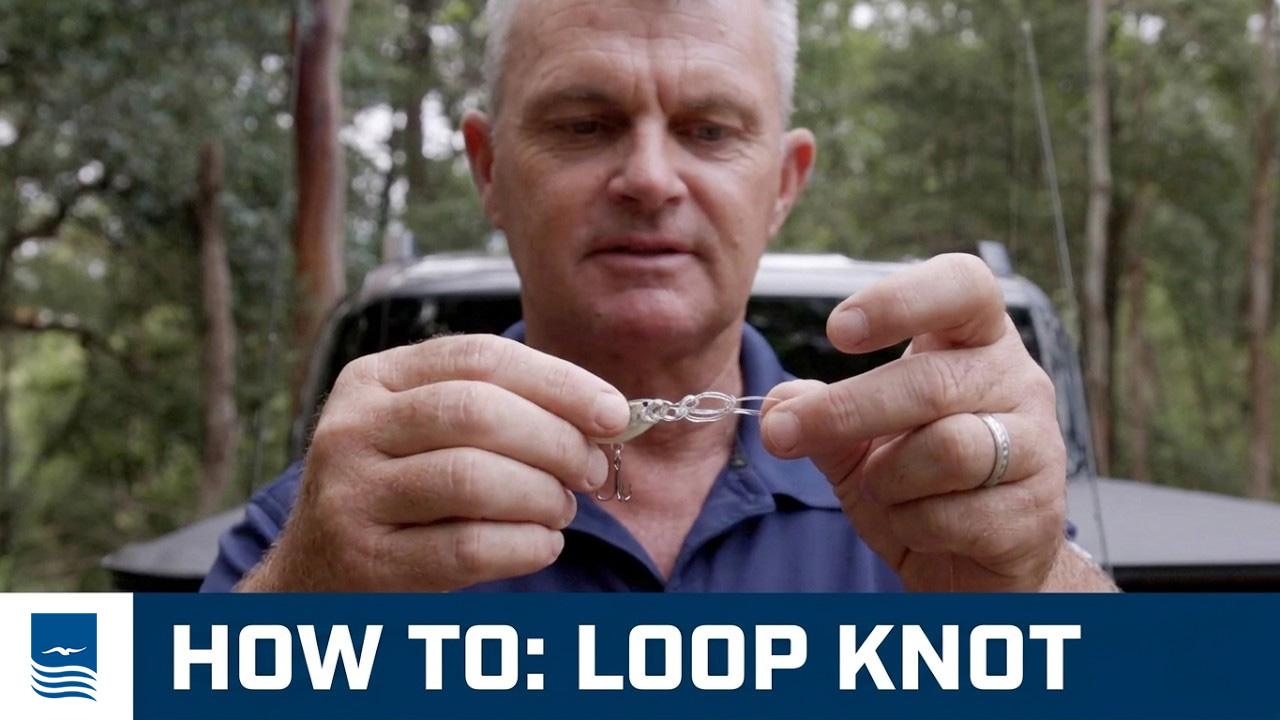
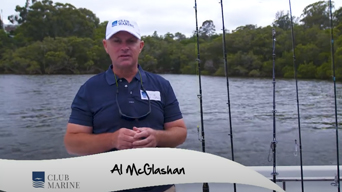
In this tutorial, fishing expert Al McGlashan demonstrates how to tie the perfect loop knot. Unlike tight knots like the uni knot, a loop knot stays loose, allowing your lures, soft plastics and even flies to move naturally in the water - essential for triggering more strikes!
How to tie a loop knot with Al McGlashan
Why Use a Loop Knot for Lures?
One of the most common questions anglers ask is, “What is the best knot for lures?” Many commonly used knots, such as the Uni Knot, cinch down tightly against the eye of the lure. While these knots are strong and reliable, they can restrict the natural action of lures, soft plastics and even flies. A loop knot, however, leaves a small loop between the line and the lure, allowing it to move more freely and perform as intended. Best of all, it is a simple knot to tie.
The loop knot is particularly well suited to light and medium tackle. To begin, tie a simple overhand knot (often called a granny knot) in the line. Next, pass the tag end through the eye of the lure and then feed it back through the overhand knot. Pull through enough line to create the desired loop size and pinch the line to hold everything in place.
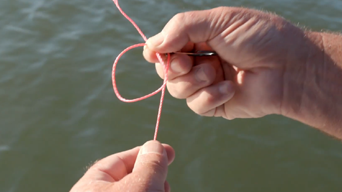
Wrap the tag end around the main line four times. To complete the knot, feed the tag end back through the centre of the original loop. Once this is done, tighten the knot carefully. When using monofilament line, it is important to lubricate the knot before fully tightening it, as this reduces friction and helps prevent line damage. Pull steadily on the main line and tag end until the knot beds down neatly.
One advantage of this knot is that the tag end points downwards, making it less likely to collect weed, slime and other debris while fishing. This can be particularly useful in freshwater environments when targeting species such as Murray cod, bass and trout.
To tie the knot on an actual lure, start by tying an overhand knot in the main line and position it where you want the final loop to sit. Pass the tag end through the lure’s eyelet and then back through the overhand knot. Bring the knot close to the eyelet, pinch the lines together, and wrap the tag end around the main line four times. Feed the tag end back through the centre of the loop, lubricate the knot, and tighten it carefully.
The final size of the loop will depend on where the overhand knot tightens. Generally, a small loop is sufficient, providing enough freedom for the lure to move naturally without becoming excessively large. Once the knot is secure, trim the tag end closely with a pair of cutters and dispose of the offcut responsibly.
The result is a neat and effective loop knot that will not impede the swimming action of the lure. Whether you are targeting Murray cod, trout, kingfish or many other species, a loop knot helps ensure your lure performs at its best, giving you the greatest chance of success on the water.
The knot proved its worth during testing, resulting in a successful catch after an exciting fight. The fish struck the lure, spat it out, and then took it again before being landed. The end result was a beautiful fish and a clear demonstration of the loop knot’s effectiveness in real fishing conditions.
RELATED VIDEOS


.jpeg)



Any advice here does not take into account your individual objectives, financial situation or needs. Terms, conditions, limits and exclusions apply. Before making a decision about Club Marine boat insurance, consider the Product Disclosure Statement (PDS)/Policy Document and Supplementary PDS (if applicable). Where applicable, the PDS/Policy Document, Supplementary PDS and Target Market Determination (TMD) for Club Marine boat insurance are available on this website. We do not provide any form of advice if you call us to enquire about or purchase a product.
Club Marine Limited (ABN 12 007 588 347), AFSL 236916 issues Club Marine boat insurance and handles and settles claims as agent for the insurer Allianz Australia Insurance Limited (ABN 15 000 122 850) AFSL 234708 (Allianz). Club Marine Limited is a related body corporate of Allianz. Copyright © 2026 Allianz Australia Limited.