
Want to ensure your next trip on the water is a success? In this video, we dive into the essential steps for planning a perfect boating day. From mastering weather apps and tide schedules to prep work the night before, learn how to avoid common pitfalls and make every moment count.
How to make the most out of your day on the water
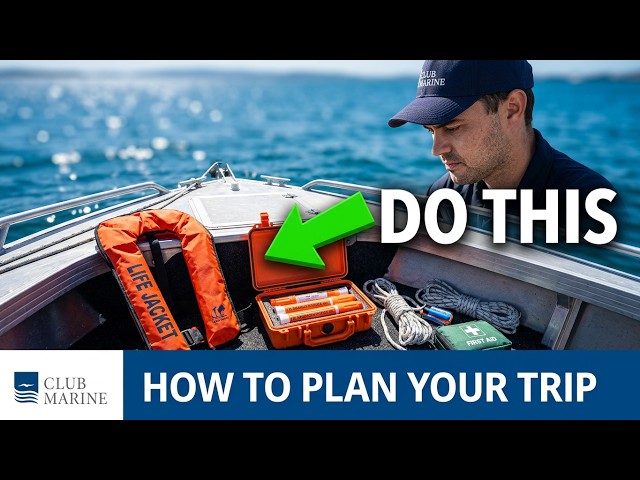
Good days out on the water don't just happen by accident. They're the ones you've planned and thought about for weeks. Today, we're going to be chatting about how to make the most out of your day on the water. We all know how hard it is to get these things in the water in the first place - getting out of work, finding a spare weekend. So, when we do, let's get it right.
One of the biggest tips I've got is to do your research, particularly on the weather and the conditions. We are so lucky in this day and age to have the smartphone, and we are inundated with all the data we're ever going to need to decide whether or not it's going to be a good day out there. I use apps like Willyweather, Decki, Fish Ranger, Seabreeze, and Weather Zone, and there are probably another dozen more. I look at all of them before I go out and take an average to know what those conditions are going to be like on that day. Now, don't get me wrong - they're not always right - but chances are you'll get a pretty good indication as to when the wind's going to come up, what the swell's going to do, when the tides are running, and so on. So, what you need to do is get on your phone, look at those weather apps, and get a good indication of what those conditions are going to be like. Only then can you judge how your day is going to be spent. Today, it is an absolute cracker, so I'm going to get this thing in the water and show you how I might spend a day on my local waterway when the conditions are perfect.
Don't be one of those boaters who are getting the boat and the car ready on the same day that you're going out. I know sometimes you can't help it - it's a last-minute decision - but the best days are the ones that are planned. So, instead of just chucking everything in and hoping for the best, spend some time thinking about what you want to achieve and get the boat set up to do that.
Start with the mandatories: making sure your safety gear is in the boat, that it's in date, and that it's ready to go. That way, if you get pulled over and checked by the local authorities, you're all good. Secondly, make sure your batteries are charged, you've got enough fuel, you've got food, you've got water, and you don't have too much stuff in the boat. Five to ten minutes of planning the night before you go out will set you up for success. Today, I'm hoping to throw some lures around, get a feed out on the water, and maybe have a swim in the beautiful, crystal-clear high-tide water - and I'm set up to do exactly that. Whatever you want to do, make sure your boat is set up the day before you go out.
One of the most underrated things you can do to enjoy your time out on the water is to make sure you've got plenty of food - good food - and that you stay hydrated. How often have you been in this situation? You're so eager to go fishing, you get out there, you fish all day, and it gets to four o'clock and you think, "I haven't eaten anything, I haven't had a drop of water, and I've been in the sun and the elements all day." So many times I get home after a great day and I've either got a headache or a migraine just because I haven't fuelled myself. So, every time I go out now, I make sure I've got some type of cooler. Today, we've got some chicken and lettuce sandwiches, a coffee, a toasted sandwich, and two litres of water in there. For you and your fishing crew - whether it's your family, your friends, or your favourite fishing buddy - just make sure you take the effort to pack a good lunch, because you'll ruin a good day if you don't. And find out where the good coffee shops are!
If you want to have a good day out on the water, you've really got to plan your activities around the conditions. You can't just come out here and do what you want, when you want, and think it's all going to work. Let me give you an example. I want to go for a bit of a swim today, but I want to do it in the clearest water I can, at the top of the tide. The top of the tide is at about nine o'clock this morning - so there's one marker. The second marker is that I want to try and catch myself a dusky flathead for dinner, and I know that in this particular system they fish best on the run-out tide, which is at about three o'clock this afternoon at dead low. Great. And one more to add in there: I know the north-easterly is coming up at about half past two, and I want to have lunch out of the wind in a nice, protected bay. So, there are three things I can now work around. I'm going to have a swim on high tide at nine, I'm going to have my lunch at about midday before the nor'easter comes up on that bank over there, and I'm going to focus my fishing time this afternoon on the run-out tide. What I've done there is set myself a rough little schedule that I can stick to. Of course, that can change throughout the day, but at least I know I'm not going to be wasting time running around trying to make things happen that the conditions aren't suited for.
Something that's going to turn a really fun day on the water into a dead average one is if you get caught doing the wrong thing, or if you just feel as though you didn't abide by the rules. Being a good steward of our waterways is important, and a really good way to start is knowing what you can and can't do from a fishing perspective. Something like a fishing regulations guide should really be on your boat, or you need to know how to access it on the internet. Most of your tackle shops will hand these out for free, and they tell you information such as what you can and can't catch, what the legal and maximum size limits are, and what your bag limits are. It doesn't matter where you are - whether you're fishing a place for the first time or you've fished it a hundred times - you need to know that information, because getting pulled up by the authorities or getting called out by a fellow boater is going to ruin any good day on the water pretty quickly.
RELATED VIDEOS




Any advice here does not take into account your individual objectives, financial situation or needs. Terms, conditions, limits and exclusions apply. Before making a decision about Club Marine boat insurance, consider the Product Disclosure Statement (PDS)/Policy Document and Supplementary PDS (if applicable). Where applicable, the PDS/Policy Document, Supplementary PDS and Target Market Determination (TMD) for Club Marine boat insurance are available on this website. We do not provide any form of advice if you call us to enquire about or purchase a product.
Club Marine Limited (ABN 12 007 588 347), AFSL 236916 issues Club Marine boat insurance and handles and settles claims as agent for the insurer Allianz Australia Insurance Limited (ABN 15 000 122 850) AFSL 234708 (Allianz). Club Marine Limited is a related body corporate of Allianz. Copyright © 2026 Allianz Australia Limited.