
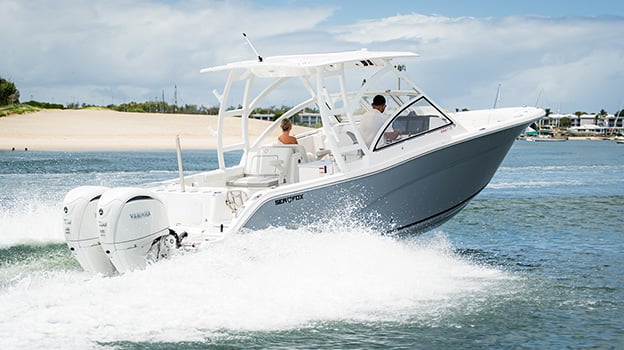
Want a new boat but can’t stretch the budget? Maybe just upgrade the outboard instead.
Quick overview
- New tech: Outboards have improved greatly in recent years
- Power matching: Stay within the hull’s maximum rating.
- Held to transom: Ensure there’s no stern rot to compromise strength.
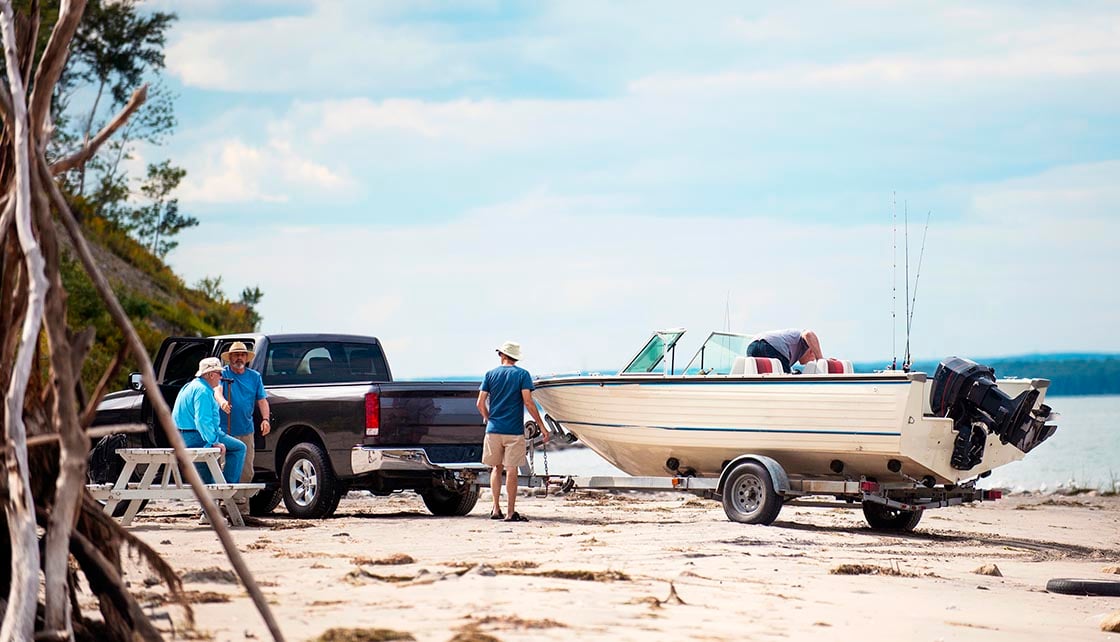
Boats often feature prominently in our early memories of family life, living on in faded photos, home movies and iPhone pics. We regard these much‑loved first vessels with sentimental fondness and, lately, there has been a trend to refurbish and revitalise them rather than moving on.
As such, the marine repower segment has never been busier.
Why repower an old boat?
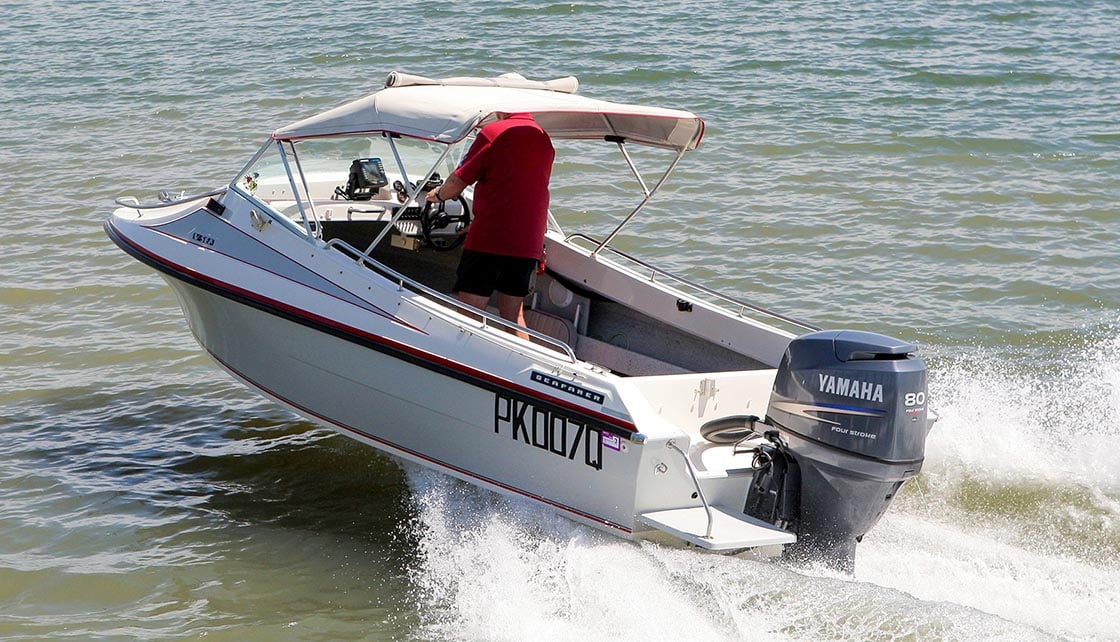
In recent decades, marine engines have seen major technical advances and significant improvements in user‑friendliness, whereas the same can’t be said for boat design – most planing hulls still use the deep‑vee concept introduced by C Raymond Hunt in the 1950s.
I remember a customer in 1999 deciding to repower an old mid‑1980s Caribbean Baron half‑ cabin and opting for a Honda BF130. The dealer had to raise the transom height because the powerhead of a long-shaft Honda would’ve been too close to the water at rest.
Once he did that, then installed an extra‑long shaft motor on the higher transom, the boat was a revelation. Fuel burn was halved in comparison with the old 140hp two‑stroke and top speeds were similar.
Does repowering make sense?
Repowering is an excellent idea, but there are a few factors to consider before you begin because rarely, if ever, does recreational boating make economic sense.
First, it’s unlikely that a new motor will lift the value of the overall package to anywhere near the amount of money you’ve tipped into it, especially if you have to sell shortly after repowering.
Also, if the engine has aged beyond use then other parts will probably need an overhaul too.
Can your boat take a new outboard?
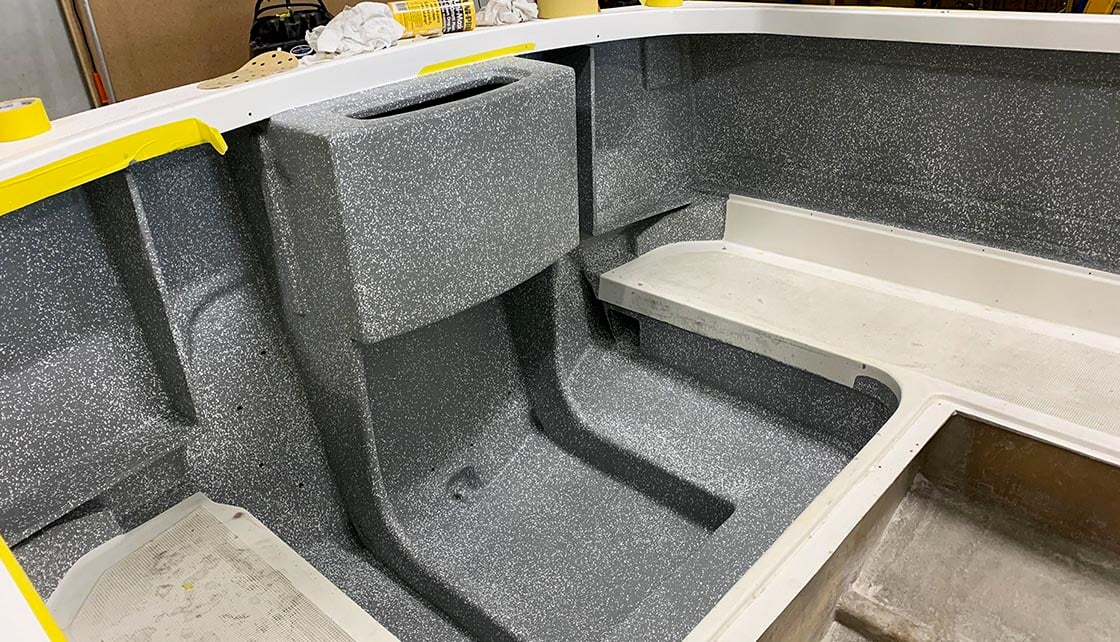
In any boat over 30 years old there’s a distinct chance that the transom will be soft. You can usually ascertain this by leaning some weight on the fully tilted original motor – if there’s any spring in the transom, it will need to either be shored up or replaced.
You need to look at the floor, too, because it’s also likely to be soft. If you can drop a new fuel tank into the boat, preferably stainless steel with internal baffling, then add that to the list.
Staying with the right horsepower
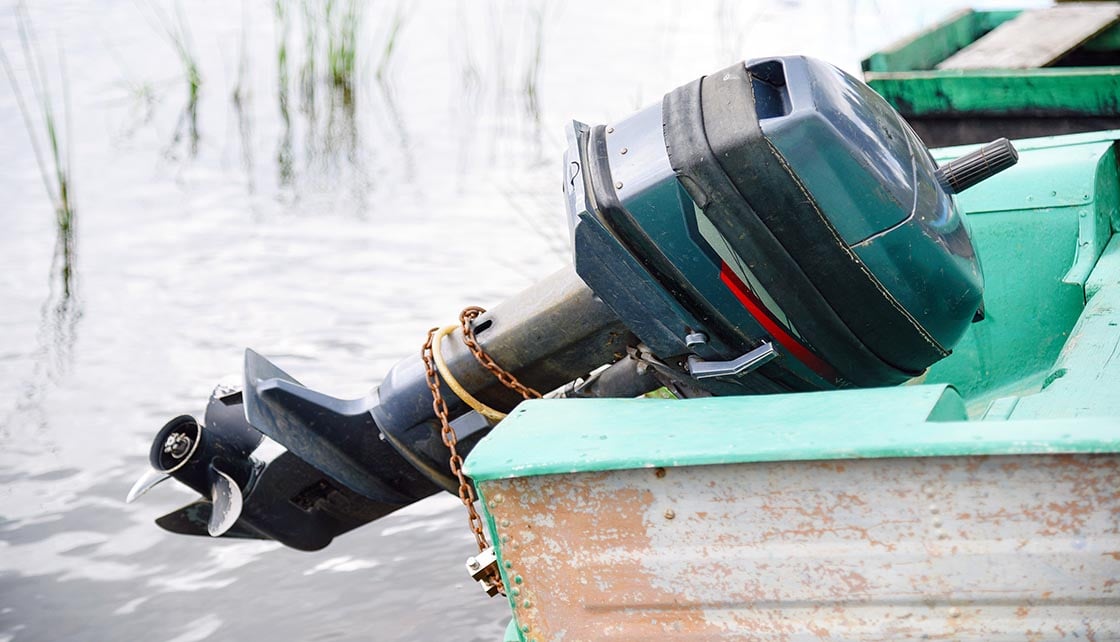
While it might be tempting to upgrade your horsepower, it’s important to stay within the maximum rating set by the boatbuilder – as shown on the Australian Builders Plate – for legal and safety reasons. The alternative requires engineering assessment and re‑certification.
One area you shouldn’t skimp on is steering. Even if the boat has a reasonably modern push‑pull mechanical cable system, ditch that and install a compact, modern hydraulic system.
How to choose an outboard when repowering
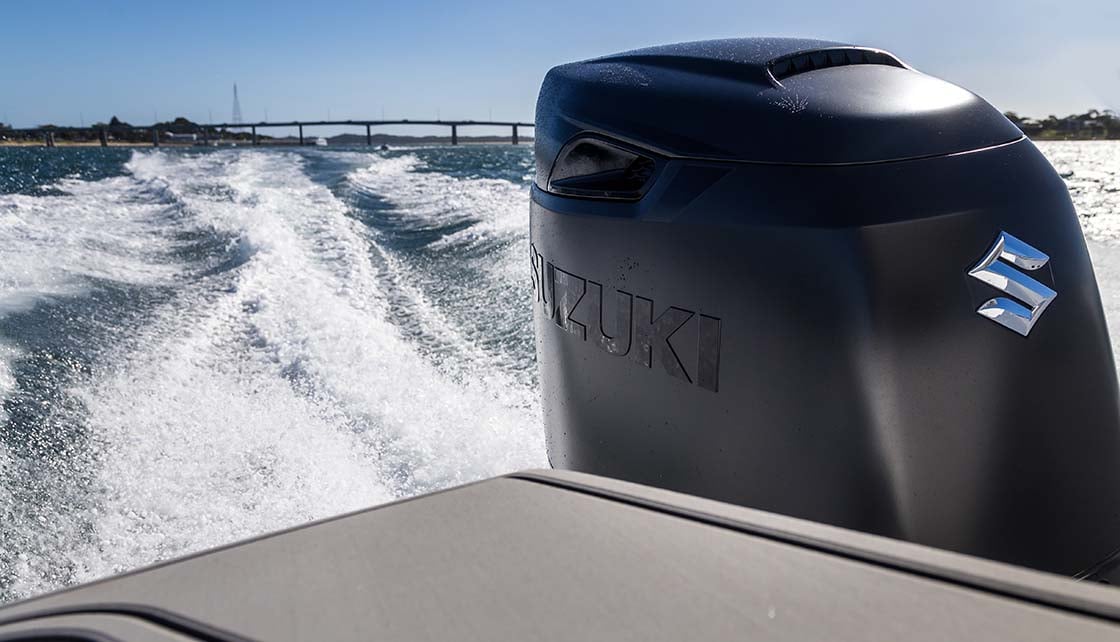
Any product from any of the five major brands will effortlessly and dependably power your family through at least another generation of toddlers growing to adulthood. For my money, though, there are some real repower heroes.
Among this select group I would include:
- Suzuki DF75R‑100B, DF140B and the DF150A‑200A
- Yamaha F70A, F115B, F130A and F150‑200
- Mercury 115/150 and the 175‑ 225 V6s
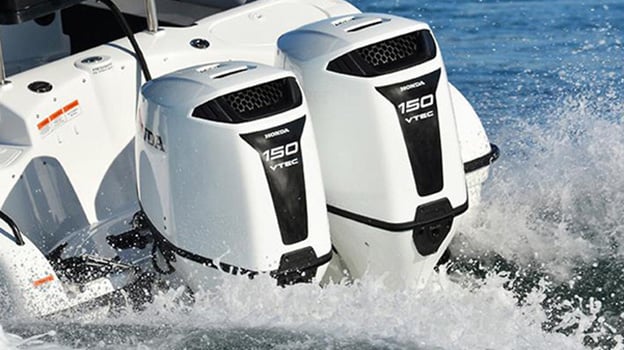
- Honda BF40/50, 60 and 75‑90
- Tohatsu MFS50/60A and MFS115/140A.
And, once again, on any of these outboards with a drive‑by‑wire option, you’ll kick yourself later if you don’t tick that box.
The motto of the story is don’t just look forlornly at your faded old Seafarer, Cruise Craft, Haines Hunter, Savage, Allison, Pride, Caribbean or whatever. Treat the old favourite to an upgrade that will power your family’s watery adventures for years to come.
The full version of this article ran in the June-July (Volume 41.3) issue of Club Marine Magazine. Find out how you can subscribe to Australia’s leading marine lifestyle magazine here.

Want award-winning boat insurance?
RELATED ARTICLES
Any advice here does not take into account your individual objectives, financial situation or needs. Terms, conditions, limits and exclusions apply. Before making a decision about Club Marine boat insurance, consider the Product Disclosure Statement (PDS)/Policy Document and Supplementary PDS (if applicable). Where applicable, the PDS/Policy Document, Supplementary PDS and Target Market Determination (TMD) for Club Marine boat insurance are available on this website. We do not provide any form of advice if you call us to enquire about or purchase a product.
Club Marine Limited (ABN 12 007 588 347), AFSL 236916 issues Club Marine boat insurance and handles and settles claims as agent for the insurer Allianz Australia Insurance Limited (ABN 15 000 122 850) AFSL 234708 (Allianz). Club Marine Limited is a related body corporate of Allianz. Copyright © 2026 Allianz Australia Limited.