
Find out why tinnies define grassroots boating and learn what to look for when choosing the most widely-used boat type in Australia.
Quick overview
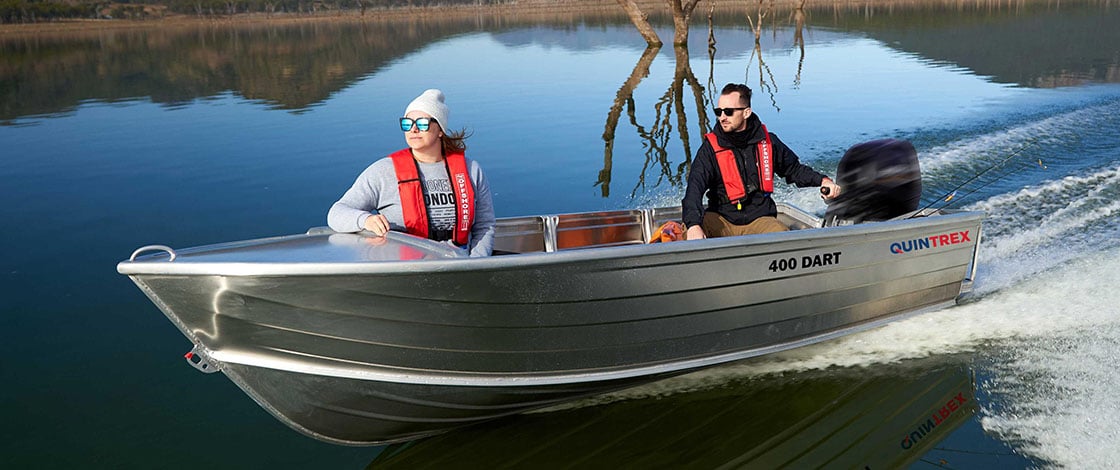
- Pure and simple: While tinnies are basic, they’re versatility ensures they remain one of the most widely-used boat types in Australia.
- Off the beaten track: Tinnies are the perfect companion for 4WDs with camper trailers or caravans.
- Sized to fit: Selecting the right size of tinnies should be based on intended use more than budget.
Ask a group of Aussies how they first got into boating and it’ll most likely involve a tinnie – one that probably lived in the backyard under a gum tree, leaked a little, rattled a lot, but provided easy and affordable water access.
Boats like these are often dismissed as basic or temporary – something you upgrade from – yet they remain one of the most widely-used boat types in the country.
What is a tinnie?
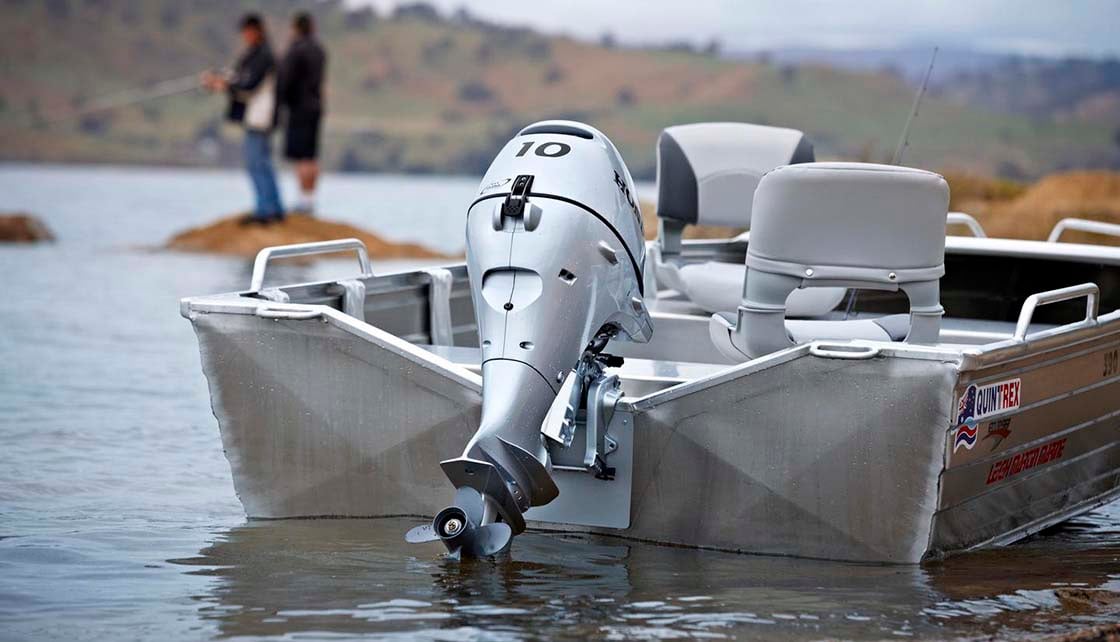
The term ‘tinnie’ is uniquely Australian and refers to a small aluminium open boat. Most tinnies share a few defining traits:
- Pressed or welded aluminium construction
- Open interior layout
- Portable or small outboard power
- Simple trailer or roof-top transport
- Lightweight handling on and off the water
They typically range from around 2.4 to 4.5m, although some slightly larger open aluminium boats still carry the spirit of the category.
What separates a tinnie from a small aluminium runabout isn’t just size. It’s accessibility and practicality– no pumps, minimal electronics, very little to go wrong.
Boating in a tinnie
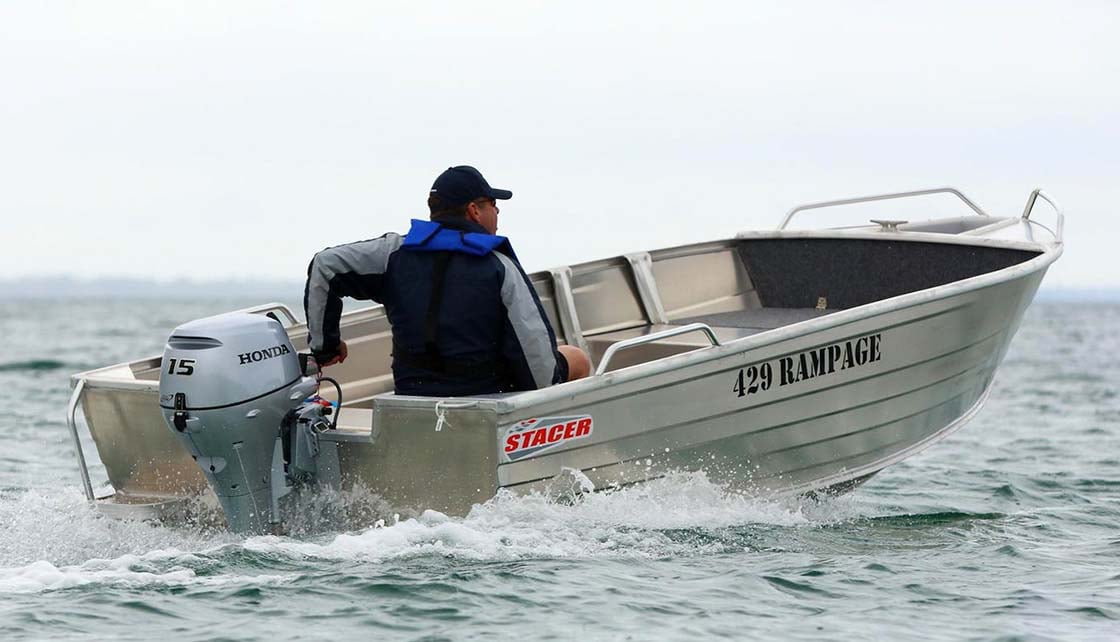
The other great thing about tinnies is that you don’t need a large tow vehicle or years of experience to operate it safely. And depending on the engine size and speed it’s capable of, you might not even need a boat licence.
You can learn tides, boat handling and navigation in manageable steps because everything happens at slower speed and closer to shore, building your confidence quickly.
In that sense, a tinnie isn’t just a beginner’s boat, it’s a teacher.
4WDs and tinnies
Australia’s boating culture overlaps heavily with offroad travel. Remote rivers, estuaries and impoundments often sit far beyond sealed roads, and towing a large trailer into those environments isn’t always practical.
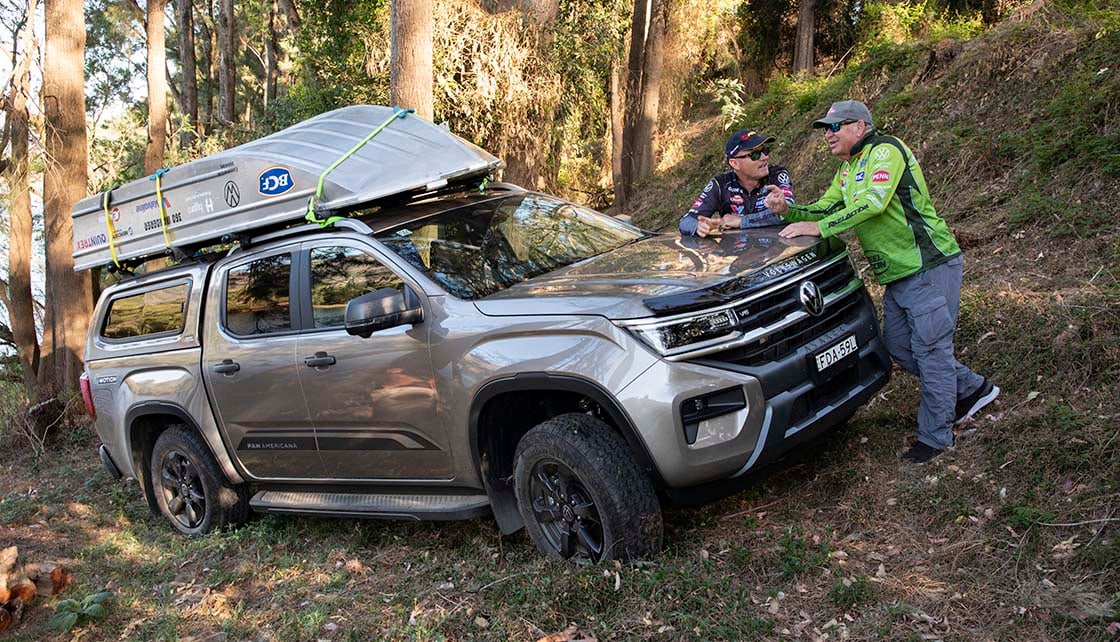
A small tinnie solves that problem: strap it onto roof racks, slide it into a ute tray or stow it on a camper trailer. This flexibility gives you access to waterways that larger boats can’t reach.
Cartopping with caravan and campers
As caravan travel continues to grow, logistics and planning are becoming more complex. A larger boat demands a dedicated trip, a plan for the second vehicle and careful route choices, but a tinnie easily integrates into the trip.
You can tow a caravan and still bring a boat. You can camp first and decide later whether conditions suit fishing, and you can explore waterways without building the whole holiday around boat ramps.
Tinnie storage and maintenance
One of the hidden costs of boating is mooring or storage, and upkeep. A tinnie dramatically reduces that burden with many living in garages, sheds and driveways with minimal preparation to get them ready.
Less maintenance also means that you’ll spend less time tinkering and more time boating.
Design factors with tinnies
Length isn’t the only measurement that matters – the beam (width) dramatically affects how a tinnie feels and performs. A wider beam provides better stability at rest, more standing room, improved load-carrying capability, and more confidence for beginners.
Narrow hulls are easier to transport but move more underfoot. Modern designs increasingly favour additional beam because stability wins over speed in small boats.
How capable are tinnies?
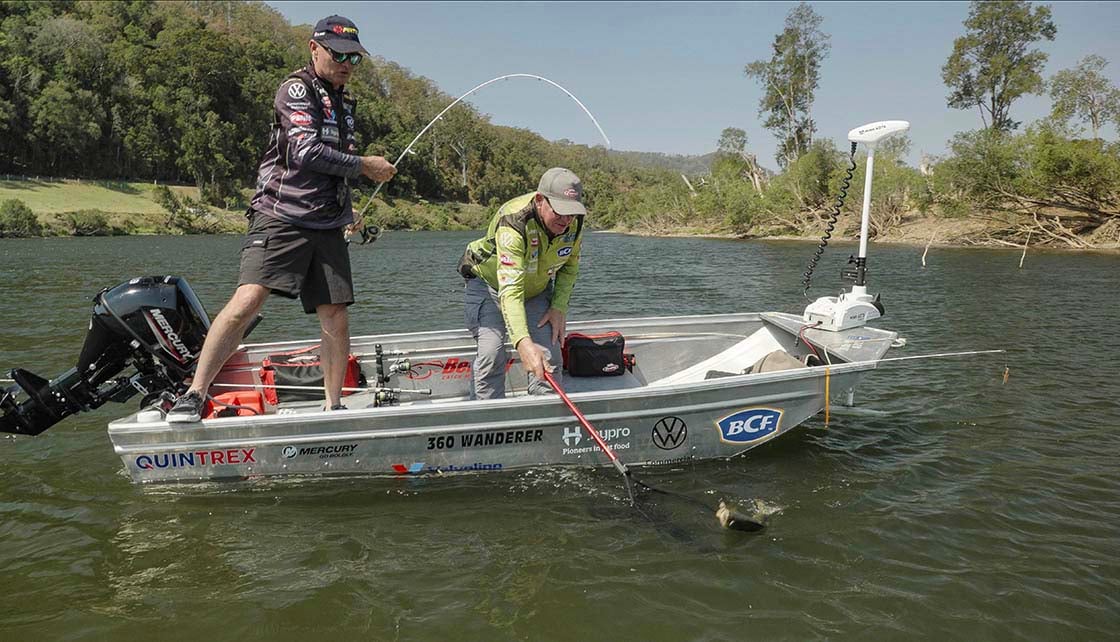
Small aluminium boats are often underestimated because their capability isn’t immediately obvious. However, they outshine larger craft by being able to navigate shallow water, operate economically with small engines, and launch from access points other than boat ramps. They’re also great for handling solo in most situations.
For many fishing applications, stealth and access outperform horsepower and size – picture a quiet electric motor pushing a tinnie across a shallow flat. Owning a tinnie subtly changes how you use waterways and your trips become more opportunistic.
The boat becomes part of the adventure and that mindset explains why many experienced boaters keep a tinnie even after upgrading to larger vessels. They fill different roles, and sometimes the simplest option gets used most often.
Choosing the right-sized cartopper
The difference between a 2.5m roof-topper and a 4.2m cartopper-style boat is significant. Selecting the right size depends less on budget and more on intended use.
Roof-toppers (2.4 to 3.2m)
Roof-toppers prioritise portability and are best suited to creeks, small rivers and impoundments.
Features:
- Lightweight handling
- Can be lifted by one or two people
- Ideal for remote access
- Minimal storage needs.
Considerations:
- Limited internal space
- Lower freeboard
- Weather exposure.
Mid-size tinnies (3.3 to 3.9m)
Mid size tinnies are often considered the ‘do everything’ size by many anglers.
Features:
- Still manageable solo
- Greater stability
- Suitable for estuaries and lakes.
Considerations:
- Usually trailer launched
- Heavier but still simple.
Larger open tinnies (around 4 to 4.5m)
Larger open tinnies move toward full-boat capability while still keeping things uncomplicated. These often replace small runabouts.
Features:
- Improved ride and range
- More passengers
- Broader water use.
Considerations:
- Requires a proper trailer set-up
- Storage planning needed.
The full version of this article ran in the Apr-May (Volume 41.2) issue of Club Marine Magazine. Find out how you can subscribe to Australia’s leading marine lifestyle magazine here.
RELATED ARTICLES
Any advice here does not take into account your individual objectives, financial situation or needs. Terms, conditions, limits and exclusions apply. Before making a decision about Club Marine boat insurance, consider the Product Disclosure Statement (PDS)/Policy Document and Supplementary PDS (if applicable). Where applicable, the PDS/Policy Document, Supplementary PDS and Target Market Determination (TMD) for Club Marine boat insurance are available on this website. We do not provide any form of advice if you call us to enquire about or purchase a product.
Club Marine Limited (ABN 12 007 588 347), AFSL 236916 issues Club Marine boat insurance and handles and settles claims as agent for the insurer Allianz Australia Insurance Limited (ABN 15 000 122 850) AFSL 234708 (Allianz). Club Marine Limited is a related body corporate of Allianz. Copyright © 2026 Allianz Australia Limited.