
Al McGlashan shares his tips on how to win a fishing tournament.
Tips for winning a fishing tournament
By Al McGlashan | Published 27 February 2026
Quick overview
- Research and preparation and are key to a successful tournament. That includes yourself, your gear, the boat and crew for the big day
- Allocate each team member a role, from researching conditions and figuring out where the fish are to logistics, boat maintenance, rigging tackle and prepping baits.
- Lines and leaders are the weakest link. Gun crews re-spool every reel prior to the tournament commencing – some even do it after every fish.
- Understand how the scoring system works and be strategic in what you target.
You might have wondered why the same teams keep appearing at the top of the scoreboard in fishing competitions. Lucky they may be, but the reason teams keep winning is because they put in plenty of hard work, planning and preparation, long before they even pick up a rod.
Tournament fishing in this country has changed considerably in recent years, moving on from casual fishing club competitions to serious events that increasingly attract professional fishing teams.
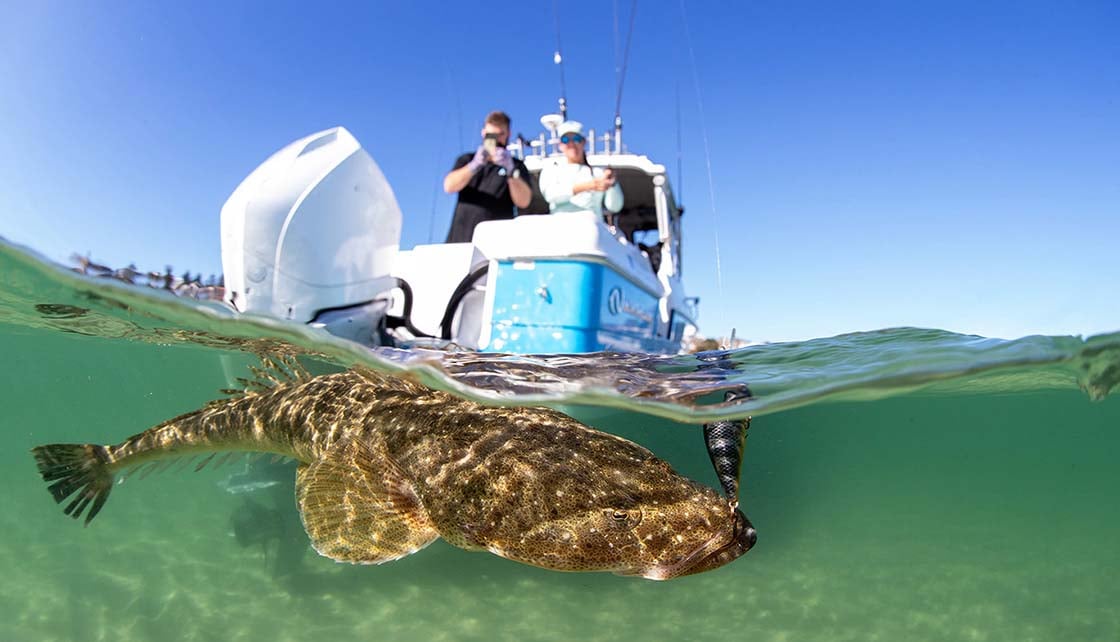
I’ve entered my share, but last October I got to join the accomplished Yeti crew in the Gold Coast Flathead Classic. Proudly supported by Club Marine, this longstanding tournament has evolved into a clever blend of professionalism and good family fun, making it one of the best in the country.
Research and preparation for fishing tournaments
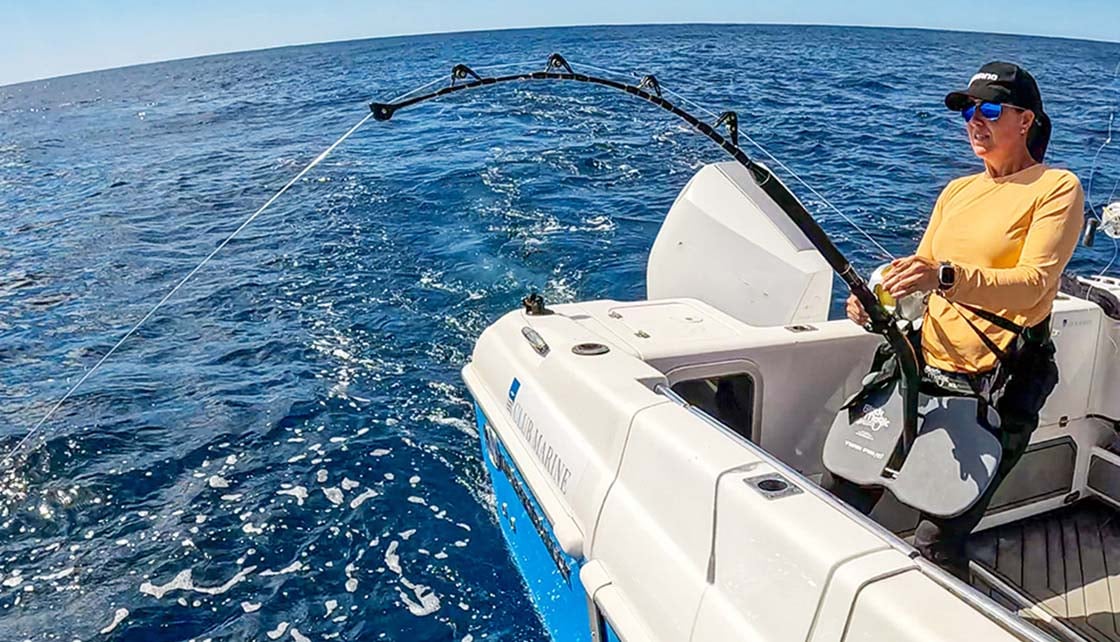
To consistently win you not only need the best boat and gear, but you need to work hard beforehand to prepare yourself, your gear, the boat and crew for the big day. Everyone on the team has a role to play, long before the event begins.
The skipper, or team captain, needs to have their finger on the pulse, researching conditions and figuring out where the fish are and what they’re doing. There are plenty of less-obvious tasks to consider too, such as logistics, boat maintenance, and jobs you can delegate to the team … everything from rigging tackle to prepping baits.
The best crews are those who miss the least number of fish. In other words, they maximise every opportunity and catch every fish they encounter.
Before we’d even arrived on the Gold Coast for the Flathead Classic, our team leader, Scotty Whitfield, had done his research and found the motherlode of flatties. With all the gear prepped we were revving to go … that is until the electric motor failed, instantly putting us out of the running. While this was frustrating, it highlighted how one simple failure can destroy your chances.
The lesson learned is that attention to detail is key and the more time you spend preparing your equipment, the lower the chance that something will go wrong when the comp starts.
Check your leaders and line
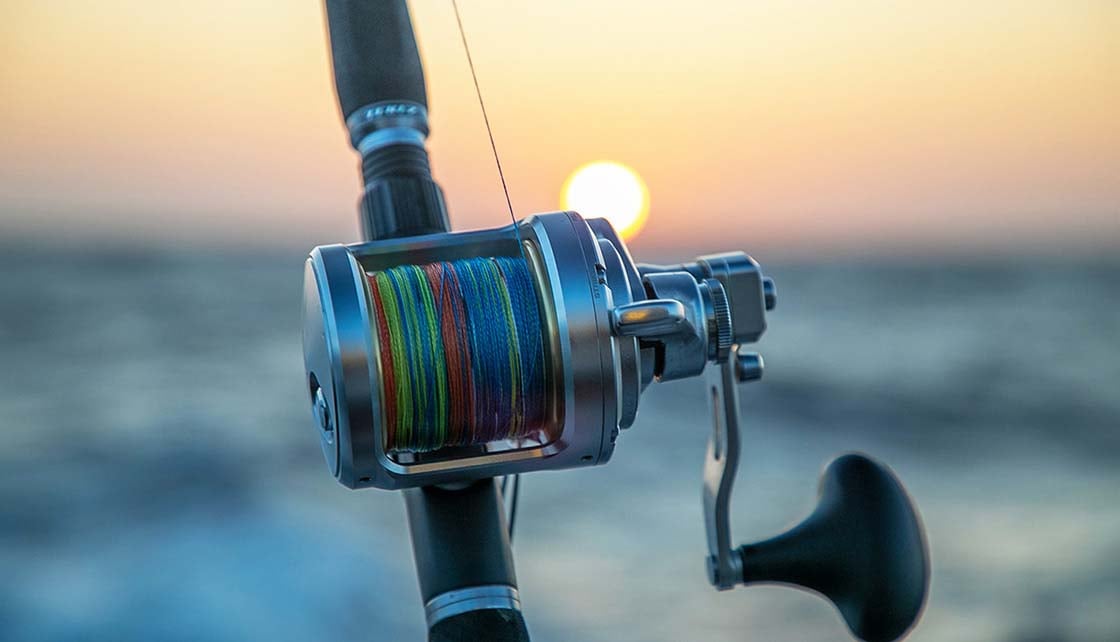
The weakest link in your outfit is usually your line, especially the leader. In serious gamefishing tournaments, gun crews re-spool every reel prior to the tournament commencing – some even do it after every fish.
Monofilament stretches like a rubber band, which results in fatigue, so the more you use it the weaker it becomes. Braided line, on the other hand, has little-to-no stretch and suffers less. It’s still impacted by abrasion, though, and rubbing across rocks could be the deciding factor between catching that winning fish or losing it.
Leaders need particular attention. Being down on the business end, they’re subject to wear and tear every time they contact fish or snags, so inspect them after every fish.
For species such as flathead, the leader should be replaced after every fish because their abrasive mouths chafe leaders terribly – non-point-scoring fish like tailor do too, and they can damage the line even if you don’t hook up.
This may seem over the top but it’s small things like this that gun anglers check and recheck to minimise the chance of failure.
Understanding fishing competition rules
Competition rules might range from laidback and easy, as is the case for the Flathead Classic, or incredibly strict and complicated if you’re in a gamefishing tournament. Either way, knowing all the rules inside-out ensures there are no issues that could impact your win.
As a kid I entered a gamefishing tournament and after weighing the biggest tuna of the tournament, we were told the leader was a centimetre too long. While it had no impact on the capture, it was still the rule and a costly mistake on our end.
How to find fish in a tournament
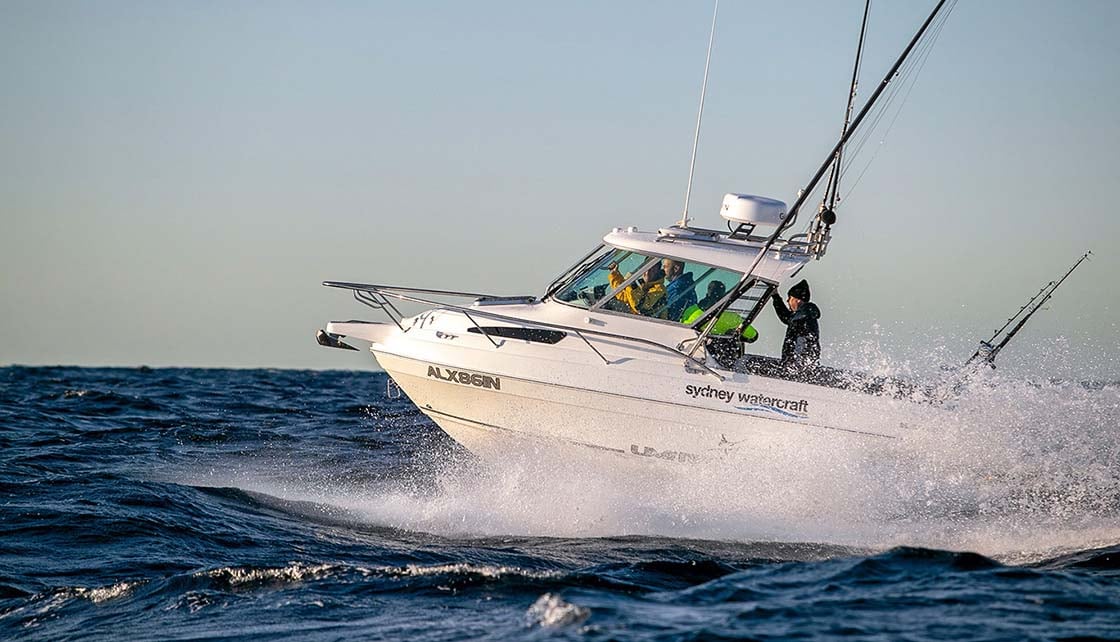
Knowing where to fish is critical to doing well in a comp, so do your research beforehand, use your contacts, ring everyone, and listen on the grapevine for what’s been happening.
There’s also a wealth of information online. Look up sea-surface temperature charts to find the best water offshore, while inland fishers can check river levels and other data to pinpoint what the fish are doing in the lead-up to the tournament.
Technology can only help you so far, so hit the water prior to any tournament and find for yourself where the fish are concentrated. Don’t forget that you want to find the fish, not catch them, so leave them for the main event.
Teamwork in a fishing tournament
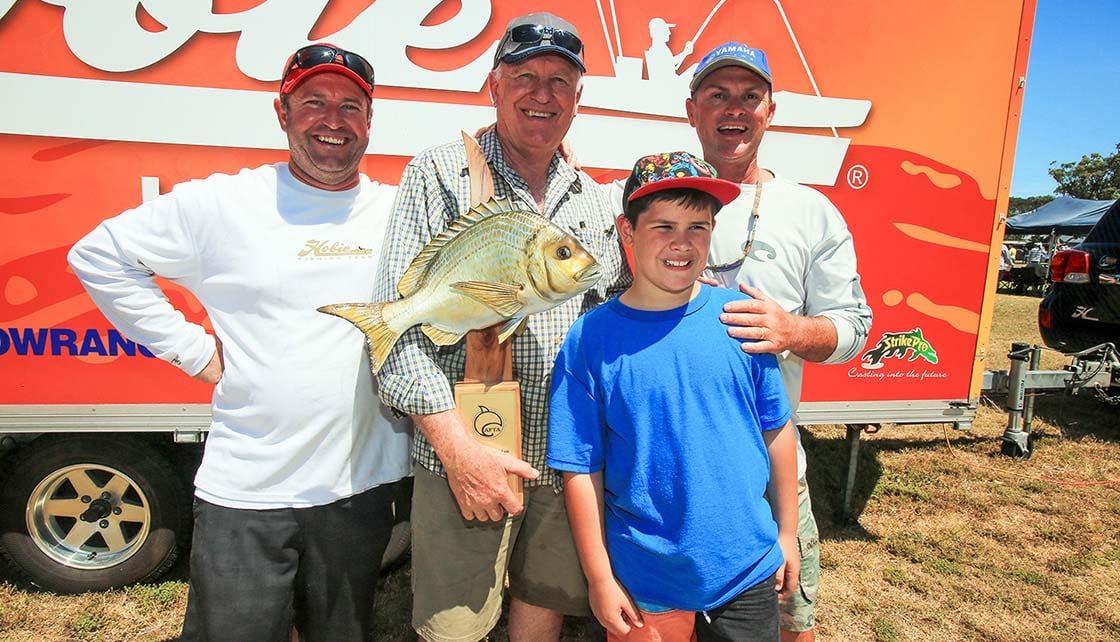
Regardless of the species you’re chasing, working together is critical to winning, especially when you all have to bring in a big fish. A successful team gets together weeks before to get everything shipshape.
In most tournaments, you are responsible for your own tackle, but there’s a lot of delegation in game and sportfishing tournaments with the crew doing all the tackle preparation. Irrespective of who is checking the tackle, the team’s approach has to be thorough from outfits to terminal tackle.
Developing a winning strategy
Winning tournaments is not just about catching the biggest fish. There are often a number of categories for different species or even line class awards. In events such as the Flathead Classic, big prizes are awarded according to participation, so you just need to be in attendance.
Know how the scoring system works and be prepared to chase other prize categories as the opportunity arises. We fished a tournament years ago and were neck-and-neck for the champion boat. The other crew had caught the first marlin so if it came down to a countback, we knew we wouldn’t win.
But because we were equal for champion angler, all we had to do was literally score any points we could, so we raced inshore and caught a couple of kingfish, which gave us champion angler.
There are a couple of lessons you can take from this scenario. First, smart crews target the high scoring fish, but secondly, by monitoring the scoreboard, opportunities may arise that give you a winning advantage.
Planning your tournament attack
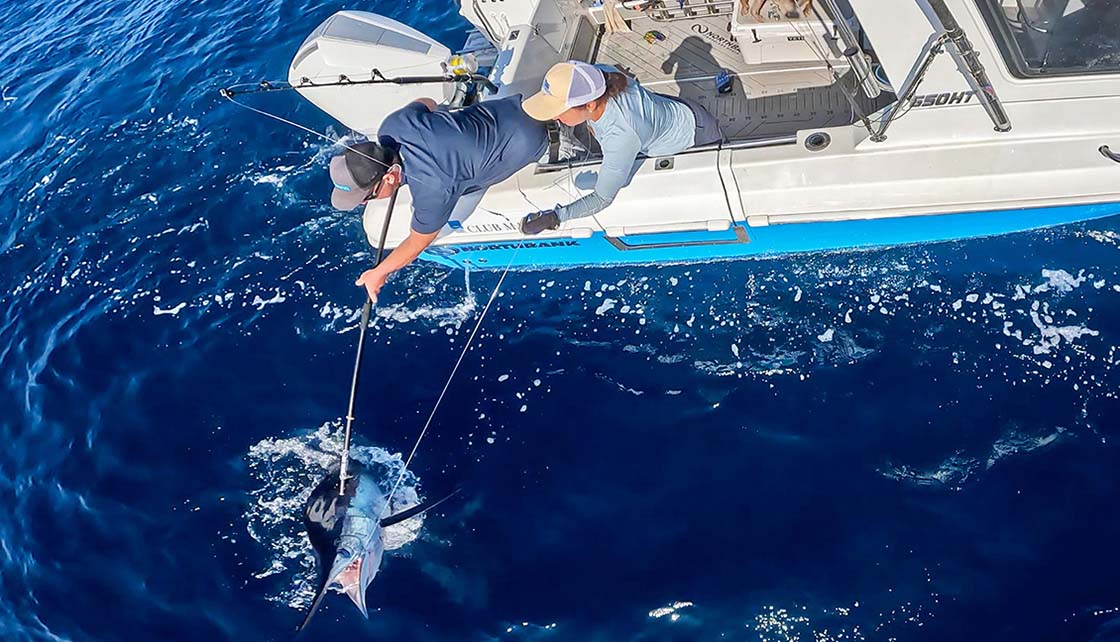
With your preparation complete, it’s time to formulate a game plan. First up, decide what you’re targeting. If it’s a multi-species tournament, determine what’s going to achieve the best results.
Even in single species tournaments, decide whether to target big fish for maximum points, or to go for numbers and hit smaller fish for accumulative points. Lots of smaller fish might be worth more on the scoreboard than a single massive one.
Decide early on, ideally before you hit the water, if you’re going to chase records on light tackle, or fish heavy for more tag and release points. Once you know what you’re chasing, determine what role everyone is going to play.
If you’re fishing to win, you always enter the minimum number of anglers but check the rules about what non-competitors can and can’t do. Sometimes they’re not even allowed on the boat.
Allocating one team member as the primary angler and the others as secondary is usually the best approach. This way one angler can amalgamate the maximum possible number of points for your team in an attempt to take out champion angler.
Just as important as the initial game plan is your Plan B. Plenty of variables, be it the weather or the fish, are out of your control in tournament fishing so you need to adapt as you go. Constantly monitor the scoreboard to see where you stand. If another boat takes an unprecedented lead, re-evaluate and be prepared to shift focus to a different category.
Having a female contingent in your team increases your chances of taking out additional categories that an all-male team isn’t eligible for. Today, female participation is on the rise and tournament fishing has improved as a result. I fish with my better half every day and she makes any day on the water more enjoyable. Mind you, she out-fishes me nearly every time.
Remember, the best angler fishes, the best mate runs the deck, and the best captain skippers the boat. The most important thing is good team dynamics.
Taking it seriously
Tournament fishing demands a substantial chunk of time and money, so if you’re in it to win it, don’t treat it like it’s happy hour at the local club. Stay focused on the agreed team plan, stay off the turps, and keep your eye on the prize.
A captain once said to me that he would rather be lucky than good when it came to fishing. Luck certainly plays a role, but you make your own by doing your homework, preparing everything, and putting in more hours on the water than everyone else.
Photography: Al McGlashan and Audi Croft

RELATED ARTICLES




Any advice here does not take into account your individual objectives, financial situation or needs. Terms, conditions, limits and exclusions apply. Before making a decision about Club Marine boat insurance, consider the Product Disclosure Statement (PDS)/Policy Document and Supplementary PDS (if applicable). Where applicable, the PDS/Policy Document, Supplementary PDS and Target Market Determination (TMD) for Club Marine boat insurance are available on this website. We do not provide any form of advice if you call us to enquire about or purchase a product.
Club Marine Limited (ABN 12 007 588 347), AFSL 236916 issues Club Marine boat insurance and handles and settles claims as agent for the insurer Allianz Australia Insurance Limited (ABN 15 000 122 850) AFSL 234708 (Allianz). Club Marine Limited is a related body corporate of Allianz. Copyright © 2026 Allianz Australia Limited.