
- Blue-eye trevalla is a highly valued fish known for its exceptional taste, living in deep waters up to 1000m, and requires specialized gear like electric reels and advanced fishfinders to catch effectively.
- Responsible fishing practices are crucial due to the slow-growing nature of blue-eye trevalla, with most states imposing a limit of five fish per person and emphasis on quality over quantity, ensuring full utilization of each catch.
- Effective rigging involves a beefed-up two- or three-hook paternoster set-up with tough baits, and preservation techniques include quick processing and packing on ice to maintain premium meat quality.
Targeting blue-eye trevalla
By Al McGlashan
Quick overview
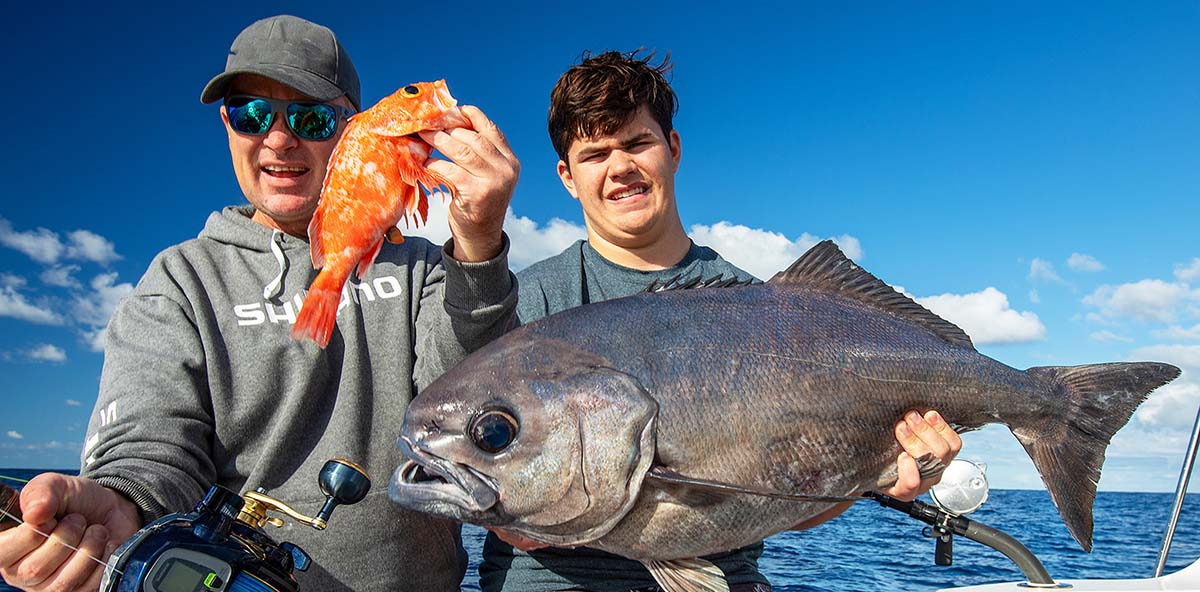
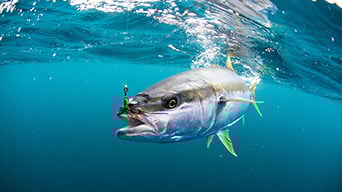
When it comes to naming the best-tasting fish in the sea, there’s one that seems to rate no matter what – blue-eye trevalla. Commercially, this high-value species can reach more than $100/kg and command even more exorbitant prices on swish restaurant menus. But you don’t have to blow your credit card.
Instead, you can catch your own. They might require a bit of effort to catch, even if they don’t fight hard, but I can assure you, they are absolutely worth the effort just on eating quality alone.
Deepwater species
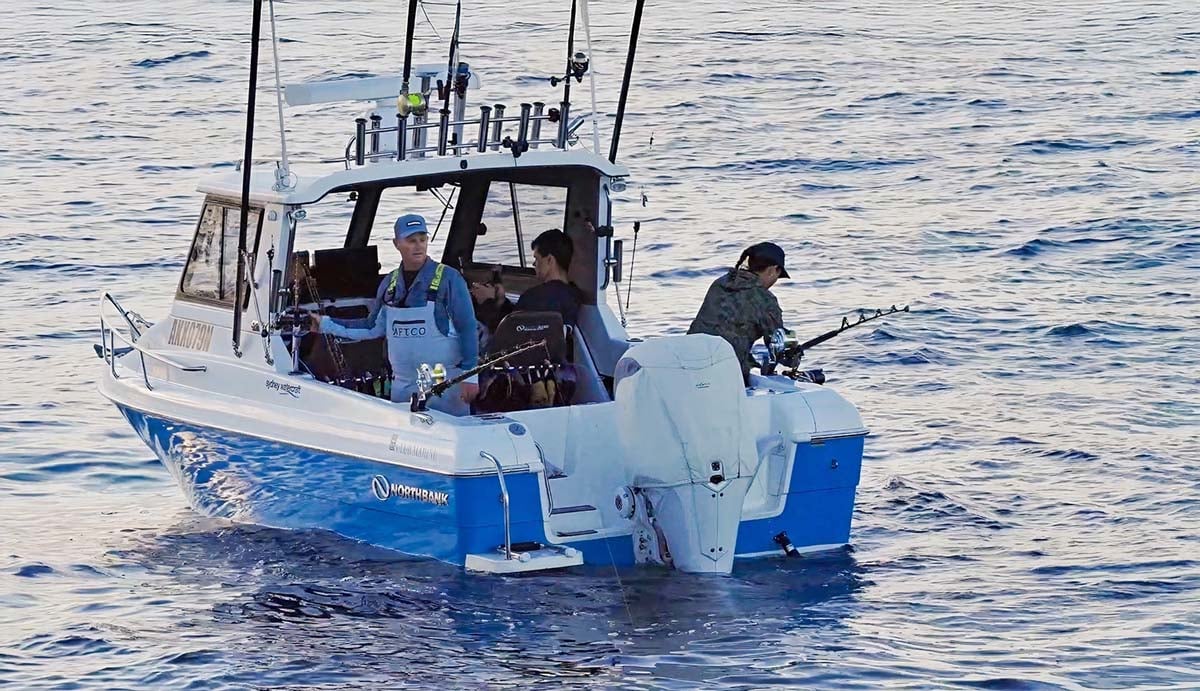
Blue-eye live at depths of around 400m but have been recorded close to a kilometre down. They literally spend their entire lives never seeing the light of day, and it’s barely a couple of degrees down there, too.
Now, while these environmental conditions aren’t very appealing to us, they help ensure the blue-eye have firm white flesh and a layer of fat under the skin that renders down when seared, creating a delicately flavoured fillet that almost melts in your mouth.
Also known as blue-eye cod or blue-nose (if you’re a Kiwi), the trevalla is a slow-growing species that can live to more than 70 years and well over a metre in length, dragging the scales to 50kg.
Sadly, most fish encountered by recreational anglers measure under a metre and weigh less than 10kg. What is really interesting is that the better fish are often found in northern waters, not to the cool south as you’d expect.
The blue-eye I’ve caught in Victoria and Tassie pale in comparison to the catches I’ve landed in NSW, and I’ve heard of some big ones caught off the Sunshine State, too.
Fisheries management class their stocks as ‘fine’, and most states impose a generous limit of five fish per person. Realistically, we only need a couple per person and instead of focusing on quantity, we should always aim for quality by ensuring we fully utilise every fish caught.
Finding blue-eye trevalla
When it comes to targeting blue-eye, you need to have gear that allows you to fish as deep as 600m. They rarely venture into water less than 250m, so you need to be prepared to fish deep.
The fact they live at such great depths means that deep dropping is restricted to calm conditions, which suits most anglers. You can only target blue-eye when the current is slight and there is minimal wind – too much wind or current means you drift too fast, making it impossible to hold bottom and fish effectively.
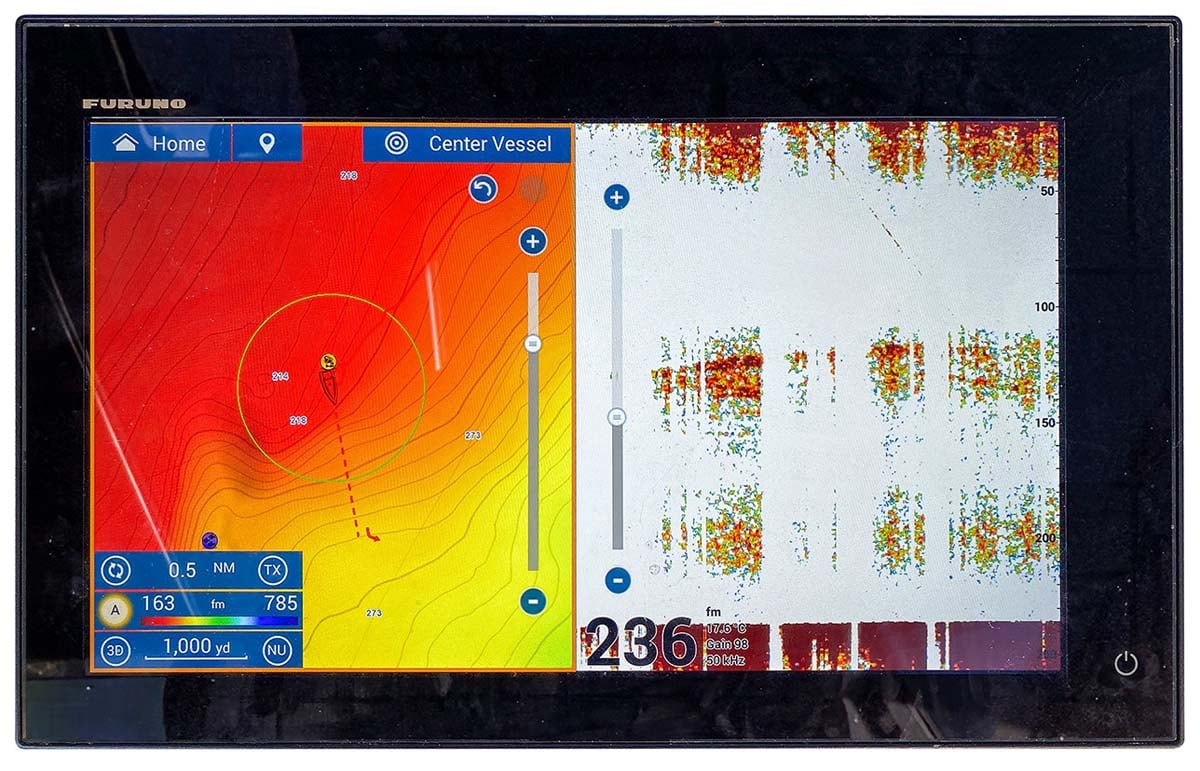
The key to finding blue-eye is locating hard bottom. They favour reefy terrain, but to detect them at such extreme depths means you need to invest in some serious fishfinder technology, like my Furuno. At a minimum, you need a 1kW transducer and will need to really know how to drive your sounder because auto mode doesn’t cut it at these depths.
Gearing up to catch blue-eye trevalla
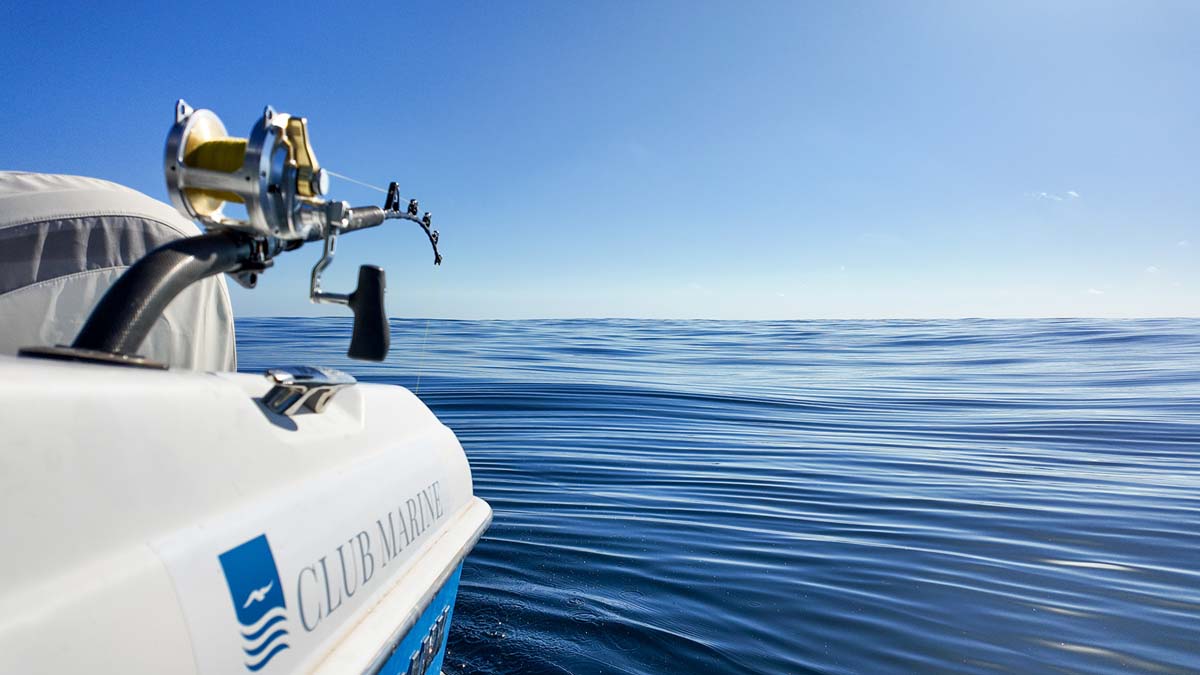
There really is only one option worth considering and that’s an electric reel. Fishing such distances only became popular, and possible, in recent years due to advancements in marine electronics, braid and electric reels.
While there’s nothing sporting about fishing with electric reels, it’s much better than the alternative, which is cranking in half a kilometre of braid by hand. That said, you need to stop fishing as soon as you have your catch because the fish coming up from those depths can’t be released to fight another day.
And the fact that blue-eye are a slow-growing species makes it all the more important that we fish responsibly, only taking what we need and ensuring we waste nothing.
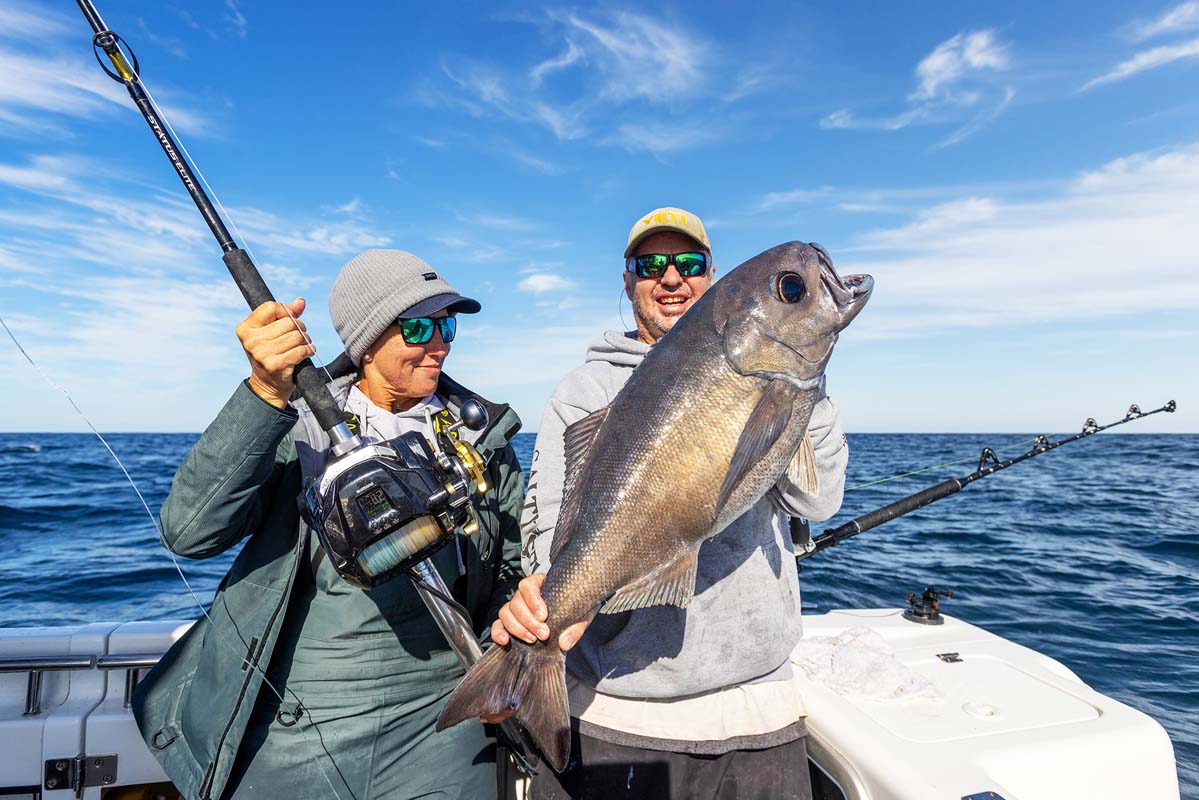
How to rig for blue-eye trevalla
The blue-eye rig is a very simple two- or three-hook paternoster set-up, except that everything is beefed up. There’s no need for finesse when fishing at these depths, so 75kg leader with 9/0 to 14/0 circle hooks on short droppers is all that’s needed to get you onto some action.
I would suggest you always tie the sinker with a lighter line, say 15kg. That way, if you get it snagged up, you will only lose the sinker and not the entire rig.
As soon as I hit the bottom, I tend to crank the gear up a bit so that it’s not dragging over the terrain. This will help to minimise the chance of snagging, but you should still pay close attention to the fishfinder in case the bottom rises up. On the upside, if you’re getting snagged then you know you’re in the right country for blue-eye.
These days, anglers are using anything from lead to sash weights and even bricks. You’ve got to balance using just enough weight to get you down and keep you there against the prevailing sea conditions and current. I change the size of my weight regularly to match the depth and current speed.
Using circle hooks means you don’t have to set the hook, but it still pays to intently watch the rod tip for bites. As soon as it loads up, it’s time to start cranking … or should I say, press the button.
Deepwater fish aren’t overly fussy when it comes to baits, however tough baits that stay on the hook are essential. Soft baits, like defrosted tuna or pilchards, rarely last long, sometimes even pulling free on the drop.
A lot of anglers love squid for its toughness, but I find that if it’s been in the freezer, it’s less effective. Tuna is awesome if you keep the skin on, as are belly strips of species like mahi and kingies, which you can catch on the way to the grounds in some areas.
One tip is not to bunch the bait up the hook shank as this will make it spin on the drop. Instead, spend a little time making the bait look natural and ensuring that it will handle the 500m plunge at speed.
Butterflied yakka swim perfectly and are tough enough to handle the drop – try catching these fresh on the way to the grounds. Interestingly, I’ve found livebait to largely be a waste of time.
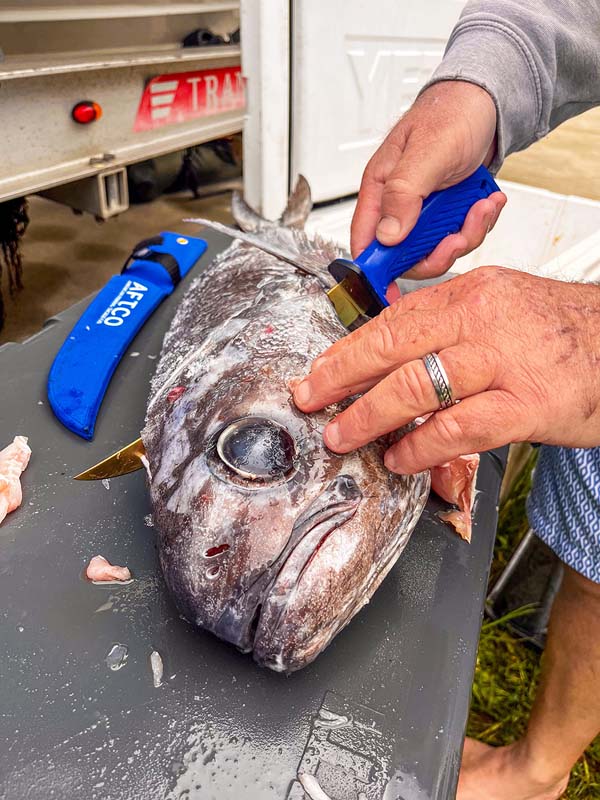
Preserving your blue-eye trevalla
You don’t waste a morsel of blue-eye trevalla. Once in the boat, they should be quickly spiked before being gilled and gutted. While there isn’t as tight a time limit as there is for tuna, if you want to ensure their meat retains premium quality you need to get them processed as soon as possible.
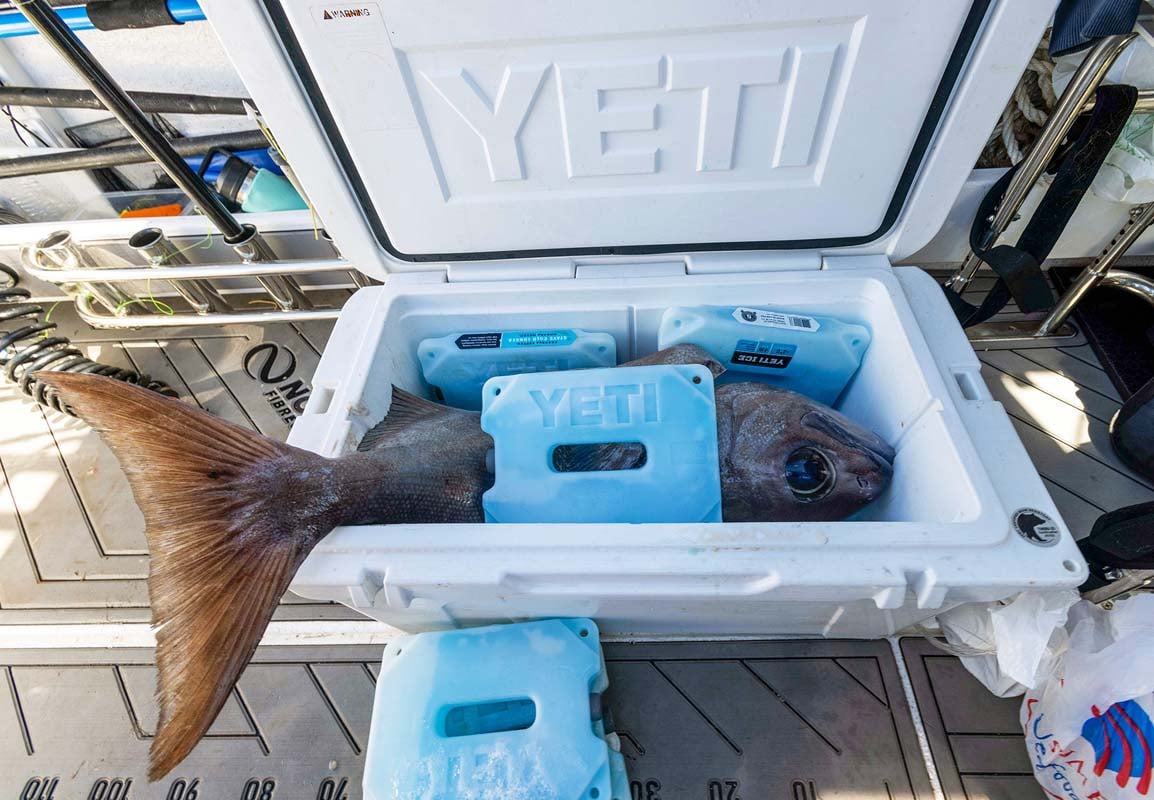
Once cleaned, they should be packed on ice in the esky. We often leave the fish on ice for a day or so to let the meat set before finishing to process them. Back on shore, the fish are scaled – there’s no need to skin blue-eye and it’s best to keep the skin on for cooking to retain that layer of fat that renders down through the meat, intensifying the flavour massively.
The wings are perfect for the barbecue, as is the backbone of larger fish as they hold a surprising amount of meat. Alternatively, the backbone and head can be cooked into a tasty stock.
When you don’t waste anything, you make the huge effort of catching blue-eye worth it, especially when you get to sit down with family and friends over a feed of grilled blue-eye fillets and relive the day.
Al’s Top Tips for blue-eye
- Use a beefed-up two- or three-hook paternoster set-up
- Invest in a good fishfinder and electric reel
- Always tie the sinker with a lighter (15kg) line
- Use tough baits that will stay on the hook
- Stop fishing as soon as you have your fish

RELATED ARTICLES



*Terms and conditions apply
Any discounts offered are applied to our standard rates. Promotional or other discounts may apply from time to time. Minimum premiums may apply. Any discounts/entitlements only apply to the extent any minimum premium is not reached. Where discounts are applied, your premium is subject to rounding. If you are eligible for more than one, we also apply each of them in a predetermined order to the premium (excluding taxes and government charges) as reduced by any prior applied discounts/entitlements.
Any advice here does not take into account your individual objectives, financial situation or needs. Terms, conditions, limits and exclusions apply. Before making a decision about Club Marine boat insurance, consider the Product Disclosure Statement (PDS)/Policy Document and Supplementary PDS (if applicable). Where applicable, the PDS/Policy Document, Supplementary PDS and Target Market Determination (TMD) for Club Marine boat insurance are available on this website. We do not provide any form of advice if you call us to enquire about or purchase a product.
Club Marine Limited (ABN 12 007 588 347), AFSL 236916 issues Club Marine boat insurance and handles and settles claims as agent for the insurer Allianz Australia Insurance Limited (ABN 15 000 122 850) AFSL 234708 (Allianz). Club Marine Limited is a related body corporate of Allianz. Copyright © 2026 Allianz Australia Limited.