Freshwater fishing in the NSW New England lakes

Mark Rothfield

As coastal dwellers, most Aussie boaties are firmly wedded to saltwater environs, often overlooking the exceptional river, lake and impoundment opportunities that await in rural areas.

On the east coast, many of these waterways abound with cod, bass, golden perch, silver perch and rainbow trout, while also being ripe for watersports. Most welcome day-trippers and campers or offer cabins, so they’re as good for your holiday budget as the freshwater is for your boat.

In NSW, as with England’s Lake District, the New England region is smattered with serene, tree-lined catchments. Collectively, they’re popular weekend destinations for residents of the adjoining Upper Hunter who otherwise face a lengthy drive to wash off the coal dust and hay clippings.
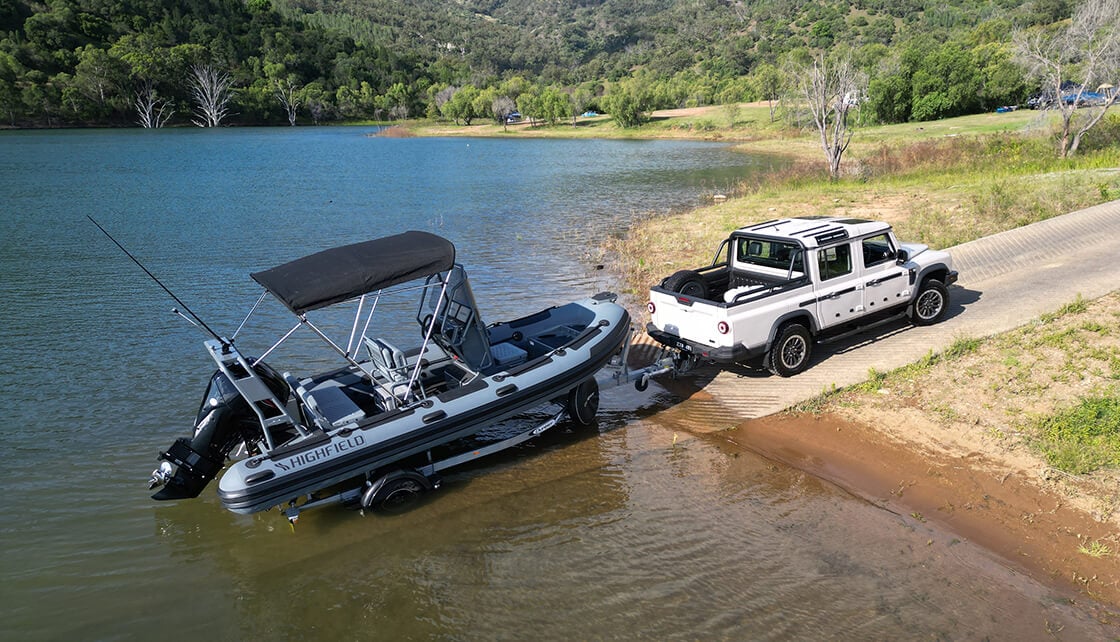
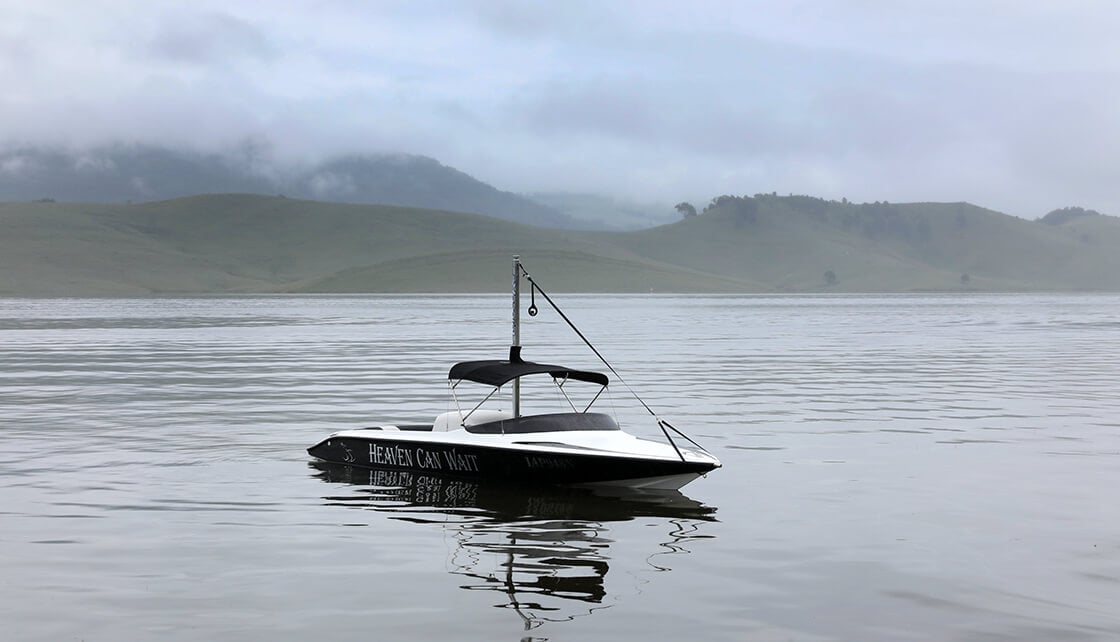
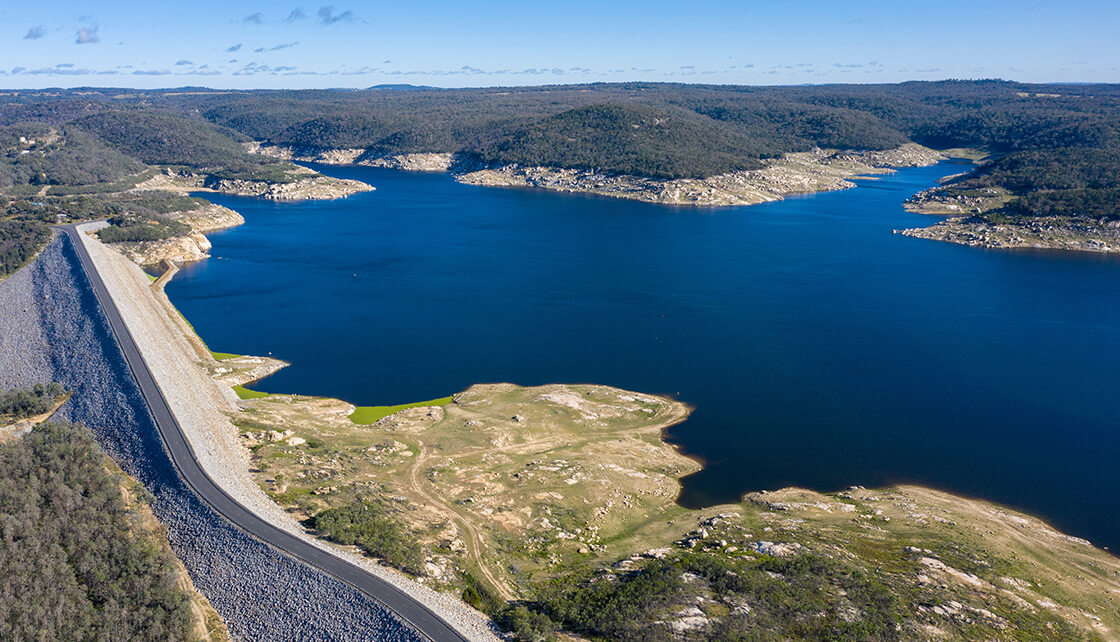
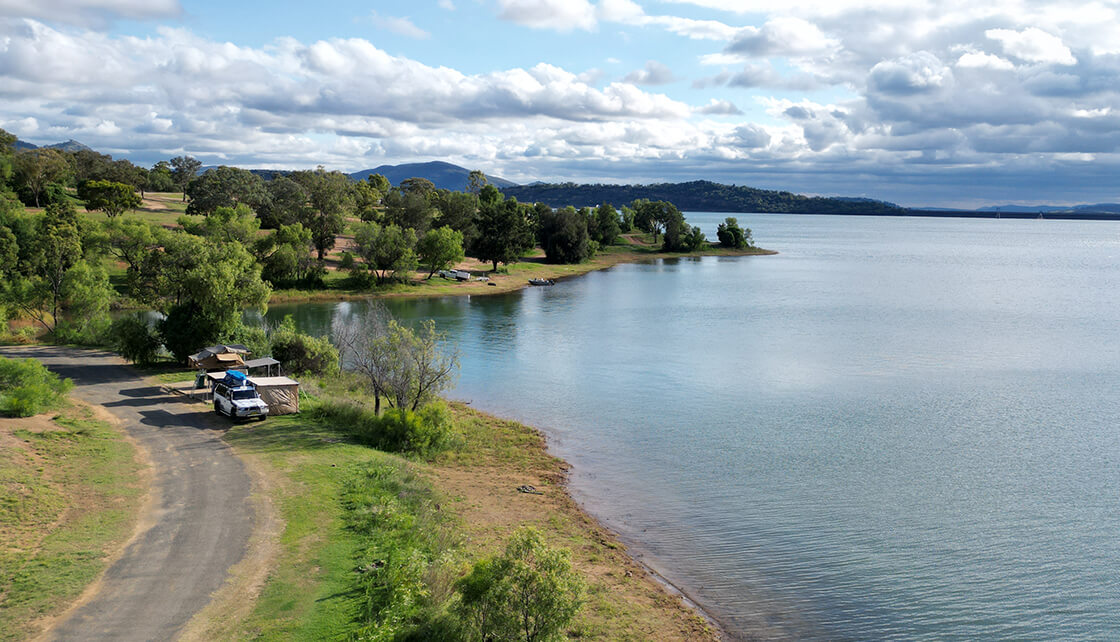
Lake Glenbawn is a major dam on the Hunter River, situated 14km from Scone within a state park that has a waterfront campground operated by the Reflections group.

Arriving for the first time is somewhat confusing as the park office is 5km from the initial boom gate. Amenities are quite basic and there are only eight or so powered sites, compared with an estimated 300 non-powered sites hugging the lake’s foreshore.

To go off-grid, as most people do, you simply pitch tent wherever you like within a designated area. I found a secluded spot for my swag within metres of the lake’s edge. Ducks, cormorants and roos were my neighbours and I settled into a camp chair for a blissfully quiet night under a trillion stars. 

There are two concrete ramps to share the workload between the fishing and ski boats that Glenbawn attracts. While you can’t ski in the vicinity of the main ramp or the eight-knot zones, generally you’ll find ample open space on an expanse measuring 2600ha.

If Glenbawn had a sister it would be Lake St Clair, which was constructed in the 1980s to supplement water supply downstream for the Hunter Valley. Driving through the Mt Royal National Park toward the impoundment, with mist shrouding the manicured hills, it’s easy to forget you’re only 25km from Singleton and surrounded by mines.

Not to be confused with its Tasmanian namesake, St Clair derived its title from a former homestead that now lies in the murky depths. A curved wall rises 67m and stretches for over 500m, forming the Glennies Creek Dam component of St Clair. 

The waterway is 16km in length and serviced by a double concrete ramp provided at the council-run campground.

Throughout the park there are 10 powered sites and an almost infinite number of non-powered spots, although numbers are capped to 350 campers per night. It’s fully booked most weekends during the peak season, so register well in advance or try a midweek stay.

A fishing map shows the hotspots for bass, golden/silver perch and eel-tailed catfish, all of which are in abundance. Submerged trees provide shelter for perch while weed beds are an ideal habitat for Australian bass, which apparently reach trophy-size and fight like devils.

The sheltered waters are equally popular with towsports enthusiasts, for obvious reasons.

Two hours north of Glenbawn, along the New England Highway, Lake Keepit is the nautical playground of Tamworth and Gunnedah. The name originates from a property called Keypit, resumed during the dam construction from 1939 onwards.

Spanning 4400ha and fed by the Namoi River, it’s a haven for all forms of watersports, whether hooking into the perch and Murray cod, jetskiing or paddling. Sailors are drawn to the iconic Keepit Kool Regatta every June long weekend.

At night you need do nothing more than raise your eyes and star gaze in NSW’s ‘Big Sky Country’. Accommodation options are looking up as well, since Reflections has added hillside ‘Wilderluxe’ glamping tents overlooking the water. 

Three times the size of Sydney Harbour, Copeton is popular with boaties and fishos from Inverell and the Gwydir Valley. Perch, redfin and catfish are all stocked, and rainbow and brown trout also frequent the lake and streams. Murray cod is the big story, though – they’re monsters, reportedly measuring up to 1.3m.

It’s one of the only inland waterways that allows year-round cod fishing (other dams close for three months from August 31). Bait-wise, the cod love cheese … a pro tip is that mozzarella stays on the hook better. If you prefer to eat the cheese yourself, try spinnerbaits, hard-bodied lures or surface lures.

To get among them, Copeton has multiple ramps. Reflections again has the accommodation covered with its Copeton Waters Holiday and Caravan Park, however there are numerous options in nearby Inverell. Consider, too, the Northern Foreshores fishing camp with both powered and unpowered sites, twin boat ramps and a cleaning table.

Though lesser known as a water supply for Tamworth, and an irrigation source for Northern NSW’s Peel River Valley, Chaffey has a brick-red rock wall made of semi-precious stone and a ‘morning glory spillway’ – named after the flower and comprising a funnel-shaped spill hole.

Camping is available at Bowling Alley Point Recreational Reserve. Entry is free but parking is $5 per car.

A hidden gem on the upper Paterson River, flanked by the renowned Barrington Tops National Park, Lostock lies to the east of St Clair, 65km from Singleton, with East Gresford as the nearest town.

You can stay at Lostock Dam Caravan Park but be aware that most of the surrounding land is privately owned. While a gravel boat ramp is provided, an eight-knot limit applies to all navigable waters of the dam and its tributaries, limiting the lake’s popularity.

Those who go will be rewarded with Australian bass, and the dam is also known for catfish, eel and carp.

  1. A partner dam for Keepit, Split Rock is located upstream of Manilla in the North-Western Slopes region. Being off the beaten path, it has no shortage of fish. 
  2.  
  3. Campground bookings are via Tamworth Regional Council. There’s a concrete ramp about 1km north of the dam wall on the western foreshore and a gravel boat ramp at Glen Riddle Reserve on the northern edge. Split Rock’s water level fell to just two per cent during a critical drought in 2019; at the time of writing in May 2025, it sat at 77 per cent.

Near Nundle, past the village of Hanging Rock, at an altitude of 1150m, you find Sheba Dams 1 and 2 – remnants of the 1880s gold rush, with free camping on offer. Powerboats are banned, so bring your kayak and trout rods, your swimming gear and a picnic basket. There are yabbies for the taking as well.

All considered, with so many options and opportunities, there’s no reason why boat owners in NSW shouldn’t take a fresh approach to their fishing.

Check out Reflections Holidays here:  https://reflectionsholidays.com.au/

Learn more about Lake St Clair here:  https://www.singleton.nsw.gov.au/Experience/Facilities-and-Recreation/Lake-St-Clair

Visit Lostock Dam Caravan Park:  https://lostockdamcaravanpark.com.au/

Check out the dams in NSW here: https://www.waternsw.com.au/nsw-dams

New England high country visitor information:  https://www.newenglandhighcountry.com.au/

Visit Lake Keepit Sailing Club:  https://www.lakekeepitsailingclub.com.au/

While remoteness is a great drawcard of inland waterways, you’re often a long way from rescue and medical services, with little or no mobile reception or marine radio coverage, so take extra care. Be cognisant of underwater and overhead hazards, stay well clear of spillways, and consider that waves will be short and steep.

When launching, use concrete ramps where available as the foreshore is often soft and muddy, bogging vehicles during retrievals. Blue-green algae bloom can exist in the shallow muddy bays. In addition, micro-organisms and chemical bleaching can affect water quality and present a hazard to swimmers. 

Areas above 1000m in the Tablelands frequently have winter temps in the negatives and face frost and snow. Hypothermia can occur even in summer, as the impoundments are fed by mountain streams and lack the benefit of warm ocean currents.

Give us a call on 1300 00 CLUB (2582)
Any discounts offered are applied to our standard rates. Promotional or other discounts may apply from time to time. Minimum premiums may apply. Any discounts/entitlements only apply to the extent any minimum premium is not reached. Where discounts are applied, your premium is subject to rounding. If you are eligible for more than one, we also apply each of them in a predetermined order to the premium (excluding taxes and government charges) as reduced by any prior applied discounts/entitlements.

Any advice here does not take into account your individual objectives, financial situation or needs. Terms, conditions, limits and exclusions apply. Before making a decision about Club Marine boat insurance, consider the Product Disclosure Statement (PDS)/Policy Document and Supplementary PDS (if applicable). Where applicable, the PDS/Policy Document, Supplementary PDS and Target Market Determination (TMD) for Club Marine boat insurance are available on this website. We do not provide any form of advice if you call us to enquire about or purchase a product.

Club Marine Limited (ABN 12 007 588 347), AFSL 236916 issues Club Marine boat insurance and handles and settles claims as agent for the insurer Allianz Australia Insurance Limited (ABN 15 000 122 850) AFSL 234708 (Allianz). Club Marine Limited is a related body corporate of Allianz. Copyright © 2026 Allianz Australia Limited.