Right responses when things go wrong

Mark Rothfield

An Irish rugby player, with more nous than most, once opined that “knowledge is knowing that tomato is a fruit; wisdom is knowing not to put it in a fruit salad”. And in many ways this logic can apply to boating safety, because one thing to be knowledgeable about boat handling, but you also need wisdom to respond correctly when things go wrong. 

‘Going wrong’ takes many unexpected forms, from capsizing to medical episodes. There’s rarely a single ‘right’ response in seamanship as so many factors (including competency) influence a decision. Perhaps the best way to learn is to learn from other’s misadventures, so here’s some real-life scenarios to resolve.
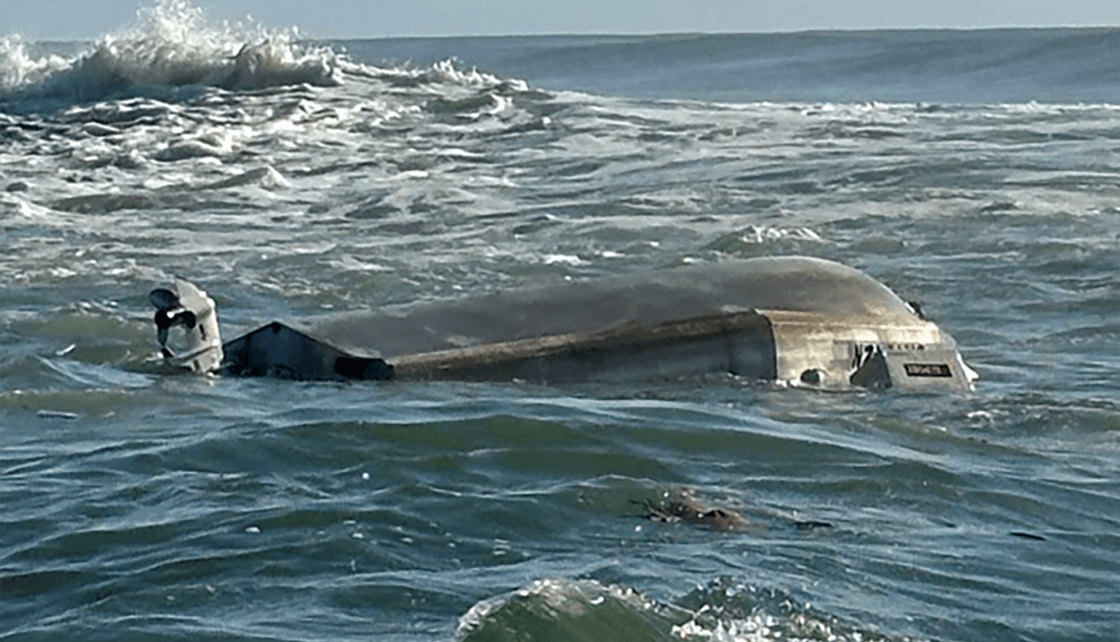
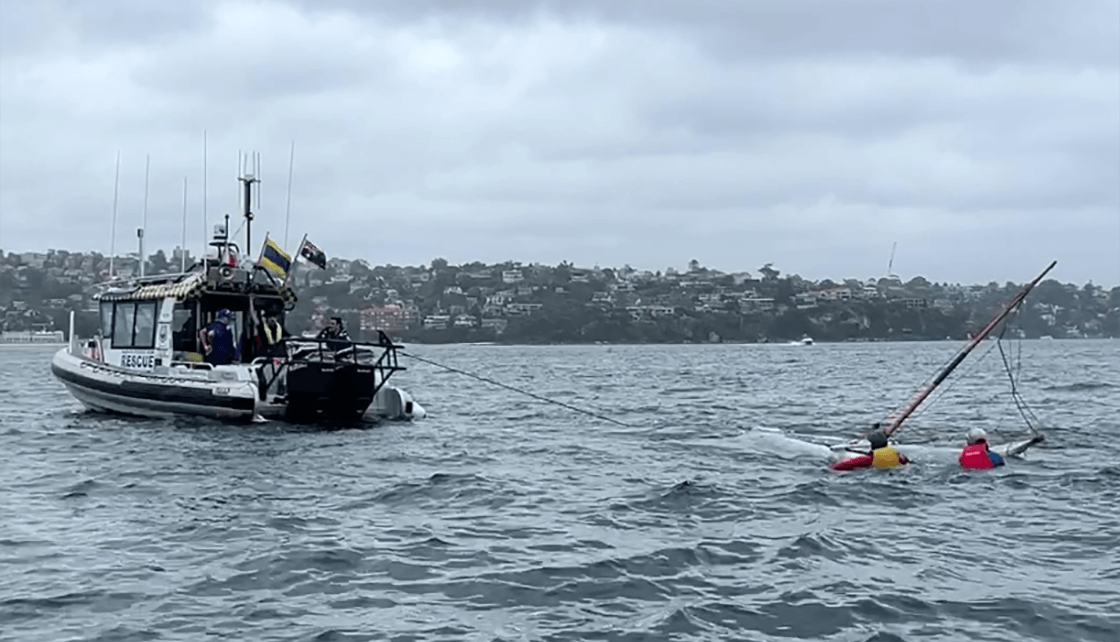
Conditions were calm as a father and son motored out in their 10ft tinnie to check crab pots. That’s until they both stood to move, and the boat tipped instantly. 

Once in the water, their innate crisis responses differed vastly. The father began swimming the 300m to shore, stripping down to his underpants en route, while the son clambered aboard the upturned hull.

Correct response: The son was right – staying with an inherently buoyant boat is the better option. If safe to do so, it provides an opportunity to access lifejackets and deploy safety gear. Shock and cold water make swimming arduous, even over relatively short distances.

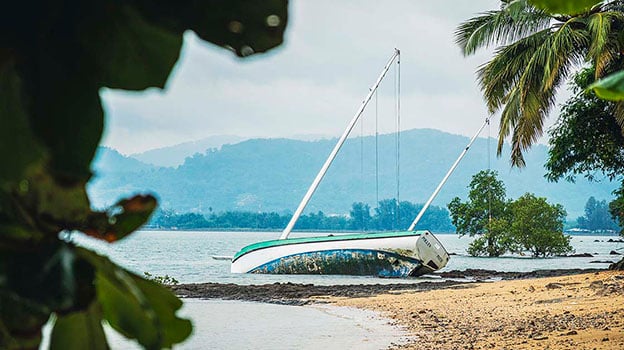
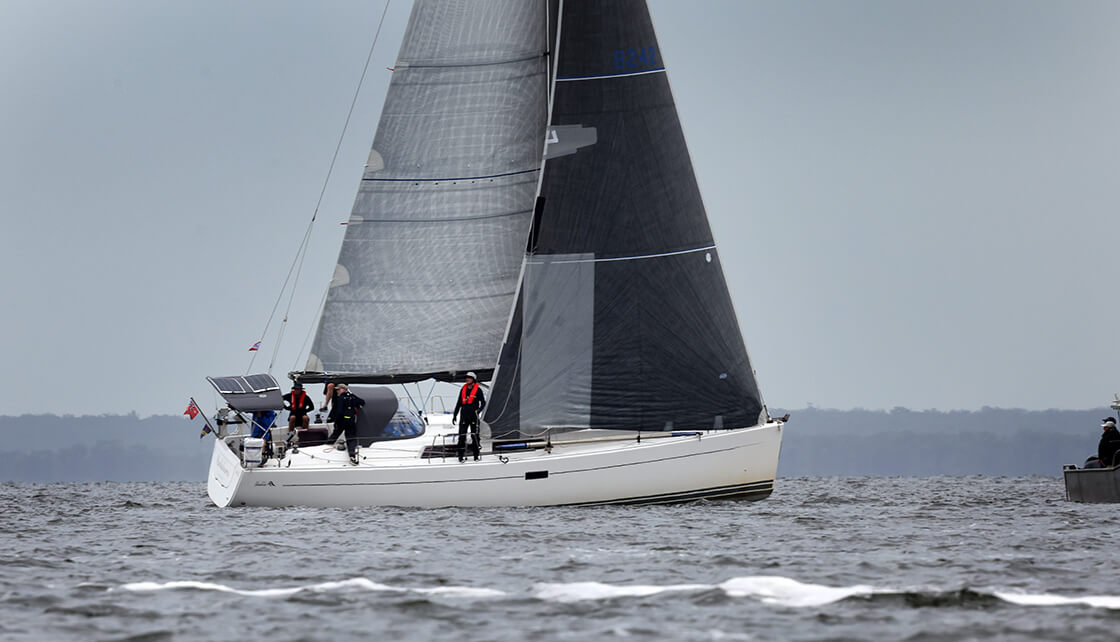
Many a voyage has come unstuck – or stuck, more precisely – because sand movement is a recurring problem on many coastal waterways. When it happened to a Top Hat yacht on Lake Macquarie, the crew backed the headsail, started the outboard and sent a volunteer out along the boom to induce heel. 

Correct response: Prevention is better than a cure in this case. The skipper should’ve been more wary of his position, and all crew should keep a lookout for navigational aids. Depth sounders don’t always alert in time.

The boom trick is dangerous as a current could sweep the person away, in which case the boat is useless in recovering them. Racing crews use a climbing harness as a minimum precaution. You can kedge your anchor, or another vessel can try hauling down your mainsail halyard from a perpendicular angle.

Powerboats can be far more vulnerable to groundings. Lightening your load by launching and loading the tender, or purging the water tanks, may help. Consider deploying your anchor to avoid drifting further into shallow water during the rise in tide. 

Once free, stop and check for leaks, damage and unusual vibration. If safe to do so, dive in with goggles to inspect the running gear.

When the keel lifting line suddenly snapped on my Farr 7500 trailer sailer, the ballasted keel swung forward with tremendous force, cracking the front of the centrecase while also shattering the pivoting bolt’s surrounds. 

Water immediately flooded the cabin floor, too fast for the electric bilge pump alone. The manual pump’s diaphragm then broke at the worst possible time … 

Correct response: Better maintenance might’ve avoided these issues, but cursing yourself doesn’t fix the immediate problem. While my son used a bucket, I opted to beach the boat to prevent a full sinking. Once there, we secured a rope under the hull and partially winched the keel into its slot. This allowed us to eventually retrieve onto the trailer.

Skippers should keep a supply of thru-hull plugs on board. Use sail bags, towels, cloth tape or anything else handy to stuff into or around the leak source internally. Sails, canvas or tarps can also be tightened on the outside of the hole. 

If this fails, don lifejackets, grab your safety bag, trigger your emergency protocols (radio and beacon) and be prepared to abandon ship.

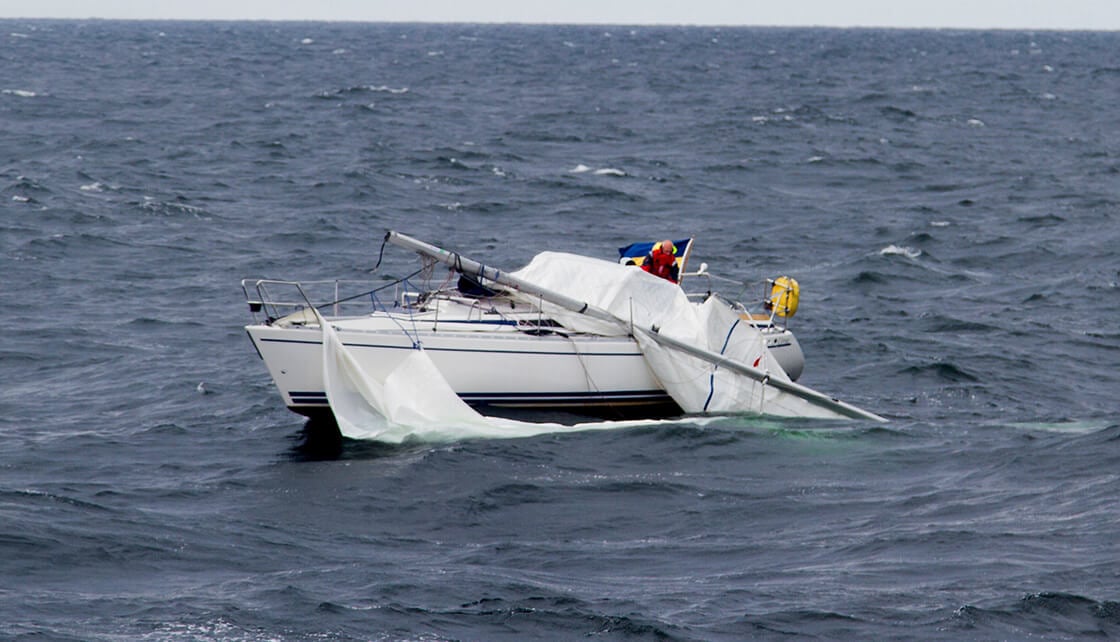
The plucky red racing yacht looked famous for a moment as its spinnaker was sheeted home and a strong gust arrived. Then, SNAP, the carbonfibre mast suffered two clean breaks at its spreaders, collapsed onto the bow then quickly submerged with full main, jib and spinnaker attached. 

Correct response: Crew injury is the immediate concern when a mast falls, so do a head count. Limbs can also be jeopardised by stays under immense tension, splinters in the carbonfibre and the pitching of the hull against the deadweight of the spars in the water.

As spreaders and other mast fittings can hole a hull in rough seas, many crews feel it’s more prudent to cut the rig free with a hacksaw and bolt cutters. Saving the spars allows for jury rig –  just thoroughly check that the hull has not been compromised and no lines are left in the water, which could foul the propeller.

‘Bang, thump, grrrr-ind’ are not the sounds your gearbox should emit during a delivery trip off the NSW coast, and the crew of the Cuddles 30 could only collectively scratch their heads as they drifted to a stop. No one knew their location, which they only realised when radioing for help.

Correct response: A secondary power source such as an auxiliary outboard pays for itself in these circumstances. Regardless, let family members know your voyage plans and log on with marine rescue authorities to reduce the search field. 

Invest in a GPS unit of some sort, not simply rely on your phone. AIS is better. Supplement this with basic coastal navigation techniques involving a paper chart and recording known landmarks, compass heading and speed.

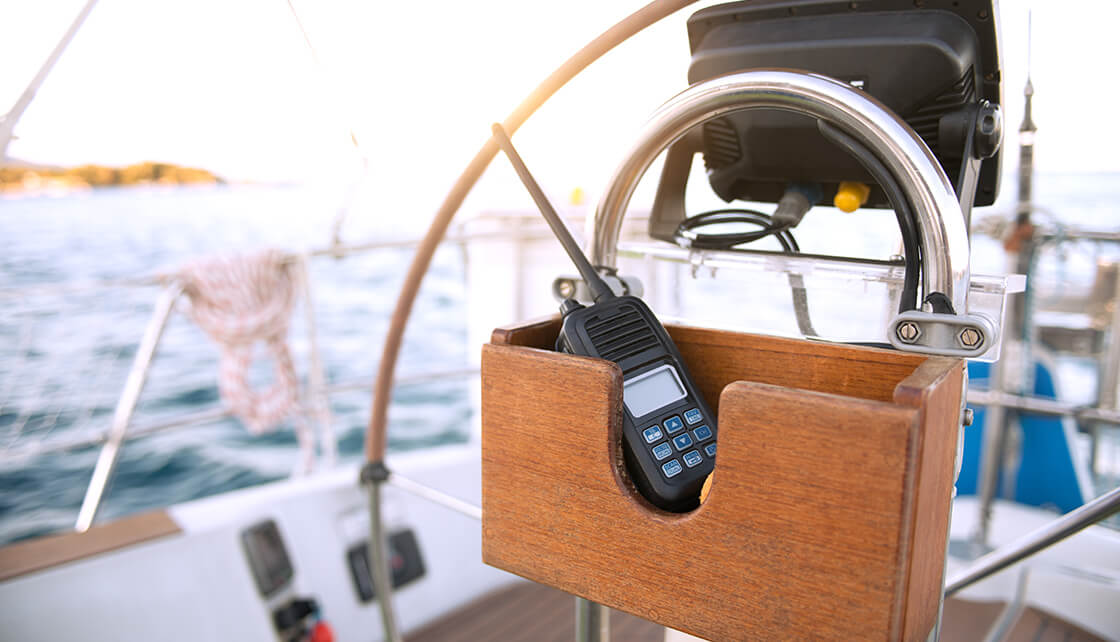
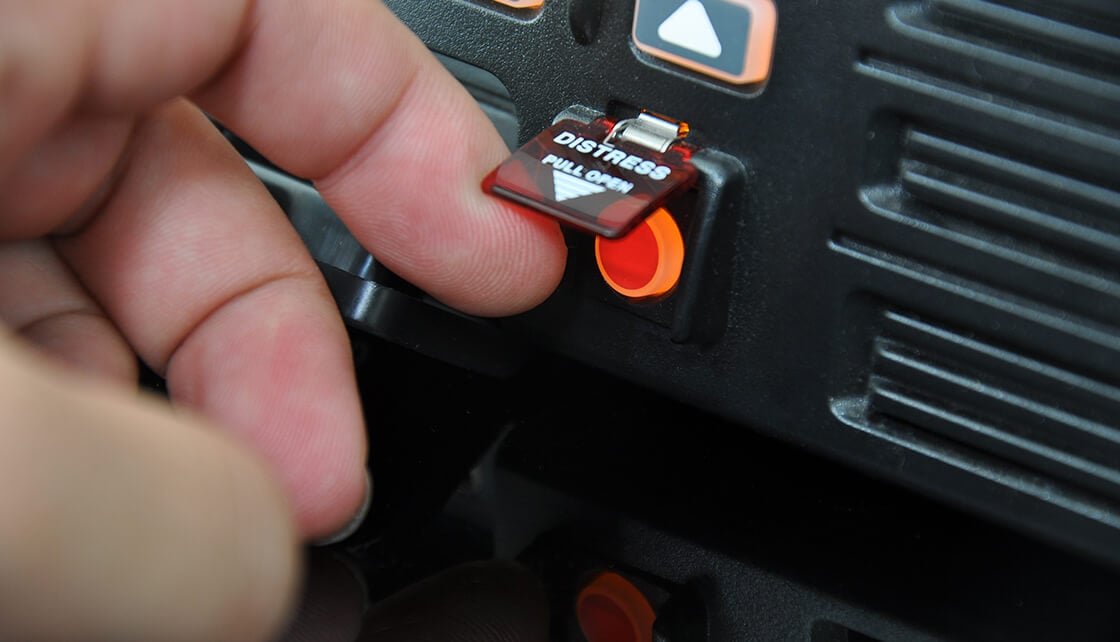
To attract attention, use a V-sheet and distress flares (use a flare initially then save the remainder for when other vessels are about or rescuers are in the vicinity). Radios with DSC (Digital Selective Calling) technology broadcast your GPS location.

On average, there are around 50 boating-related deaths in Australia each year,  with small boats and elderly men over-represented in these stats. We have seen the perils of being struck by a boom or propeller. Serious medical episodes and injuries can occur when people are under exertion on a vessel that’s continually moving or in environments where deadly creatures lurk.

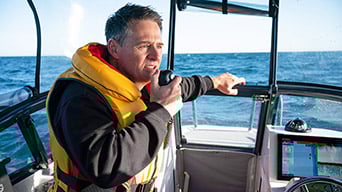
Correct response: Depending on the emergency and your first aid expertise, consider issuing a Pan or Mayday call. Other vessels may have medical specialists aboard who can advise on procedures. Paramedics can be summoned to the nearest dock.

Every boat, even a jetski, should carry a medical kit and a first aid guide (or app). A CPR mask and a defibrillator could be lifesaving. Decide whether to reduce speed and alter course for a smoother motion, or evacuate the patient to a faster boat if safe and practical.

To assist in preparing for the worst, crews should conduct medical emergency drills and flesh out some of the issues that may arise with different types of medical emergencies. Further reading: healthdirect.gov.au/first-aid-advice or betterhealth.vic.gov.au

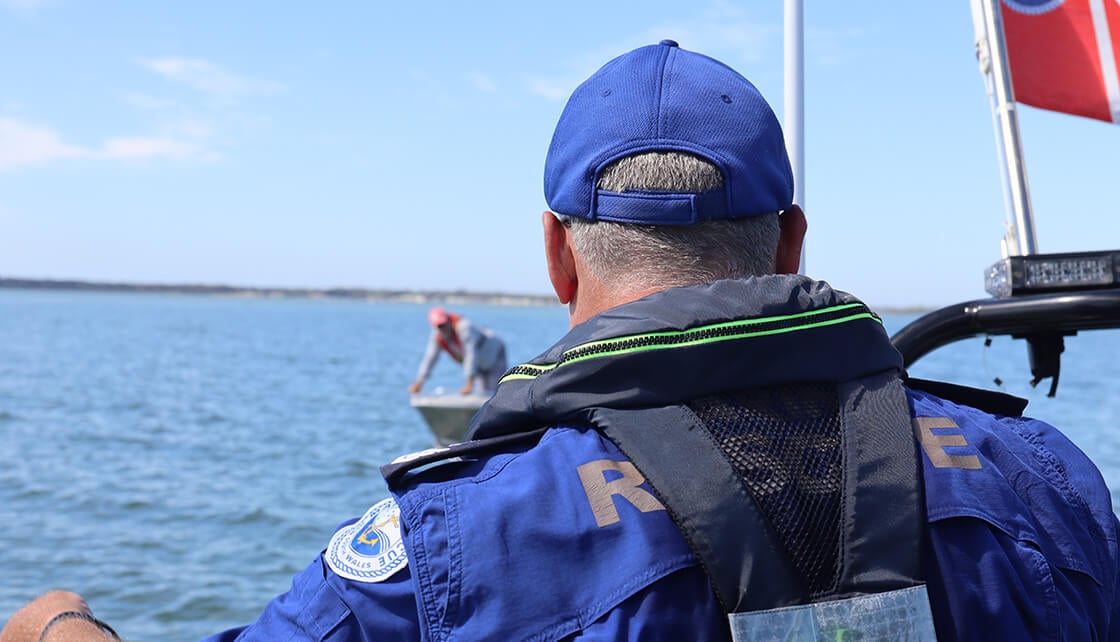
Acknowledgement: Marine Rescue NSW Central Zone Commander Dan Duemmer provided assistance with this article.

Give us a call on 1300 00 CLUB (2582)
Any discounts offered are applied to our standard rates. Promotional or other discounts may apply from time to time. Minimum premiums may apply. Any discounts/entitlements only apply to the extent any minimum premium is not reached. Where discounts are applied, your premium is subject to rounding. If you are eligible for more than one, we also apply each of them in a predetermined order to the premium (excluding taxes and government charges) as reduced by any prior applied discounts/entitlements.

Any advice here does not take into account your individual objectives, financial situation or needs. Terms, conditions, limits and exclusions apply. Before making a decision about Club Marine boat insurance, consider the Product Disclosure Statement (PDS)/Policy Document and Supplementary PDS (if applicable). Where applicable, the PDS/Policy Document, Supplementary PDS and Target Market Determination (TMD) for Club Marine boat insurance are available on this website. We do not provide any form of advice if you call us to enquire about or purchase a product.

Club Marine Limited (ABN 12 007 588 347), AFSL 236916 issues Club Marine boat insurance and handles and settles claims as agent for the insurer Allianz Australia Insurance Limited (ABN 15 000 122 850) AFSL 234708 (Allianz). Club Marine Limited is a related body corporate of Allianz. Copyright © 2026 Allianz Australia Limited.