
Here’s the top 12 boating misadventures that happen every day, from dragging anchor to running out of fuel, read our top tips for staying out of trouble.
How to avoid common boat fails
By Catherine Lawson | Photography by David Bristow | Published 12 June 2026
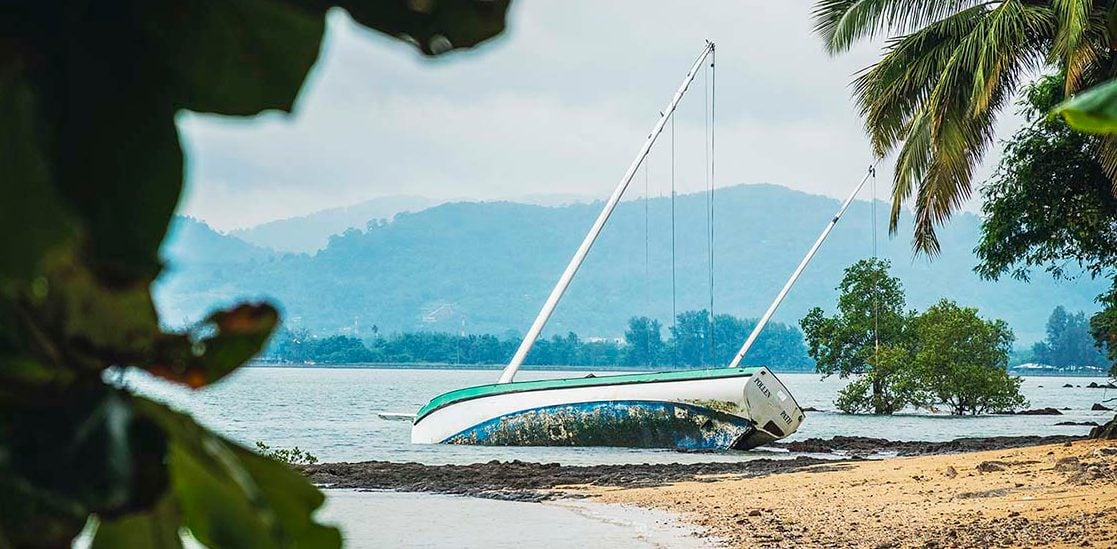
Quick overview
- Dropping the pick: Anchors can drag, get fouled or be lost, so you need to execute your procedures carefully.
- Loss of power: Remember, your boat won’t get too far without fuel or charged batteries.
- Hard hitting: Pay extra attention when operating around marina docks and reefs.
It’s said that there are only two kinds of boaters: those who’ve scraped the seabed, and those who will. This is true of just about every boating mishap, from dragging anchor to running out of fuel, so here are our top tips for staying out of trouble.
1. How to prevent dragging anchor
Anchors drag for three reasons: your anchor isn’t rated for the weight or windage of your vessel, you failed to set the anchor properly, or you didn’t put out enough chain and rode.
- Drop more chain if there’s ample swing room and strong winds are expected
- Lay chain slowly, in the direction of the prevailing wind or current
- Stretch and dig the anchor in by gently and steadily reversing
- If it’s safe and shallow enough to do so, dive on the anchor to check it
- Stay aboard for one turn of the tide to ensure your anchor stays put.
2. Avoiding a fouled anchor
Anchors and chain can easily snag and wrap around coral, reef and rocks, so if you can’t see the bottom, learn to use your sounder to find even ground.
- Slowly circle the boat over your chosen spot and watch the sounder
- If the ground looks suspicious, especially if anchoring deep, find another spot to drop anchor.

Image: Anchors and chain can snag and wrap easily around coral, reef and rocks.
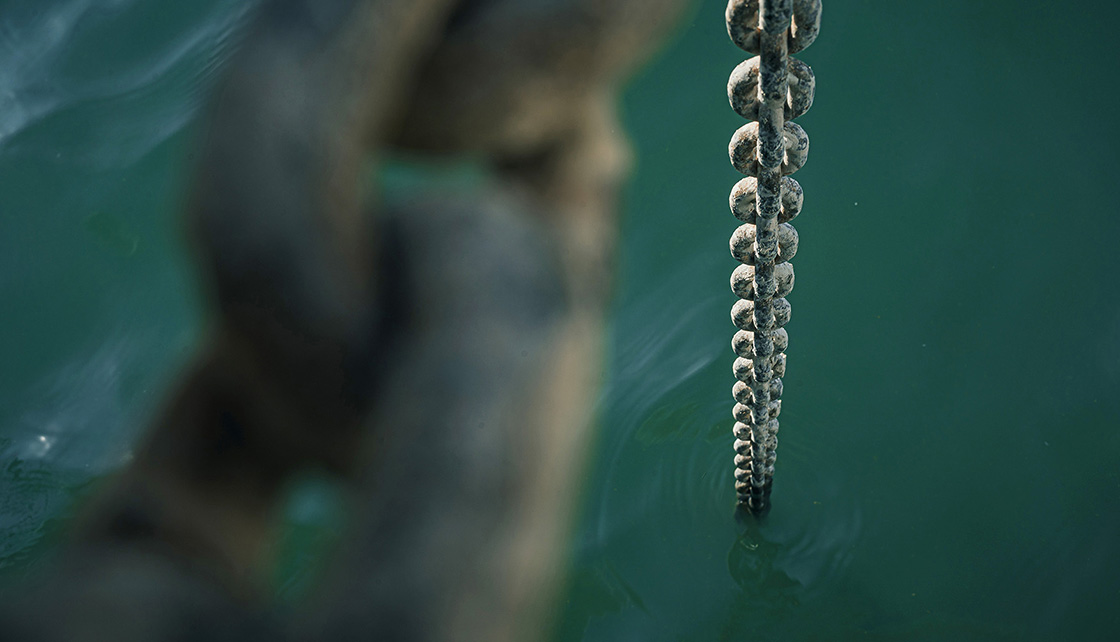
Image: Let out chain and rode at a ratio of at least 4 to 1.
3. What if you lose your anchor?
The anchor drops, the chain and rode pull out, and they just keep on going overboard because you forgot to tie off the end of the line to your boat. This is more likely to happen when you’re anchoring deep.
- Check that you’ve secured the anchor to the chain, the chain to the rode, and the rode to the boat
- Carry a secondary anchor aboard and enough rode to anchor in an emergency.
4. Running out of fuel on a boat
It sounds obvious but it’s easy to forget to check your fuel supply when there’s a lot of prep to do before heading out, and there are no service stations at sea.
- Allow a third of the fuel for reaching your destination, a third for the trip back, and a third for contingency in case you end up pushing hard against wind or current, or need to detour
- Safely store a full jerrycan of emergency fuel onboard.
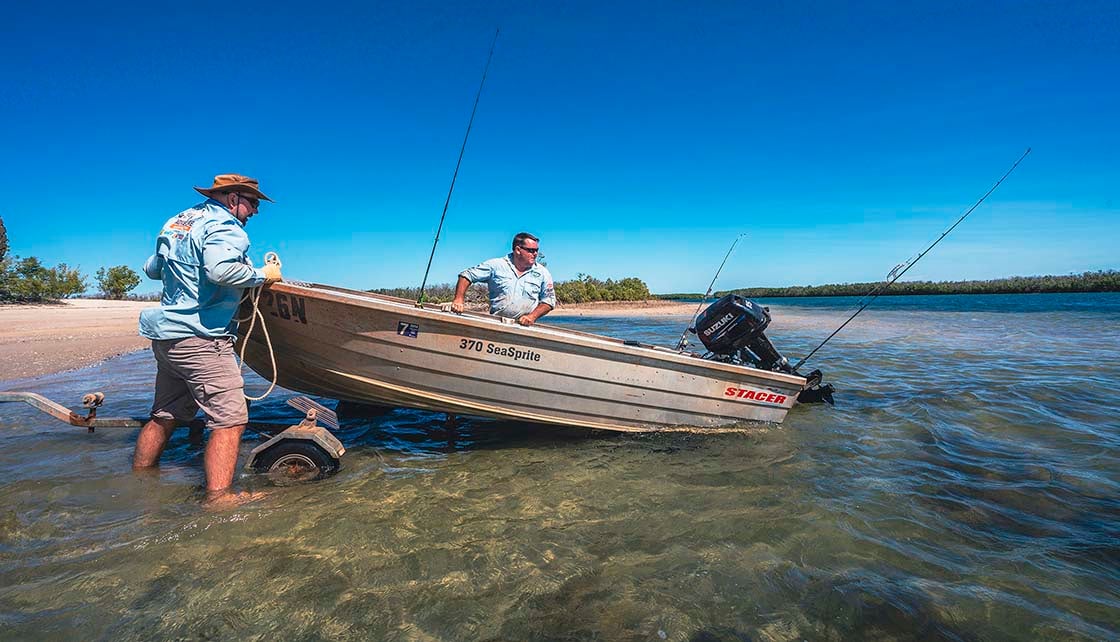
Image: Check your fuel supply before heading out.
5. Keeping your batteries charged
Don’t leave the harbour or shore without checking the boat’s battery power levels.
- Monitor battery levels en route to ensure the engine or solar panels are providing charge
- If possible, isolate the engine’s starter battery to protect and preserve it solely for getting you back home again.
6. How to avoid running aground
Running aground on a sandbar or shallow reef can be a terrifying ordeal.
- Post a lookout at the bow (polarised sunglasses help visibility in clear waters)
- Proceed slowly
- Keep an eye on your depth
- Use a rising tide if possible
- Use multiple navigation overlays (including satellite) to get an accurate picture of the seabed.
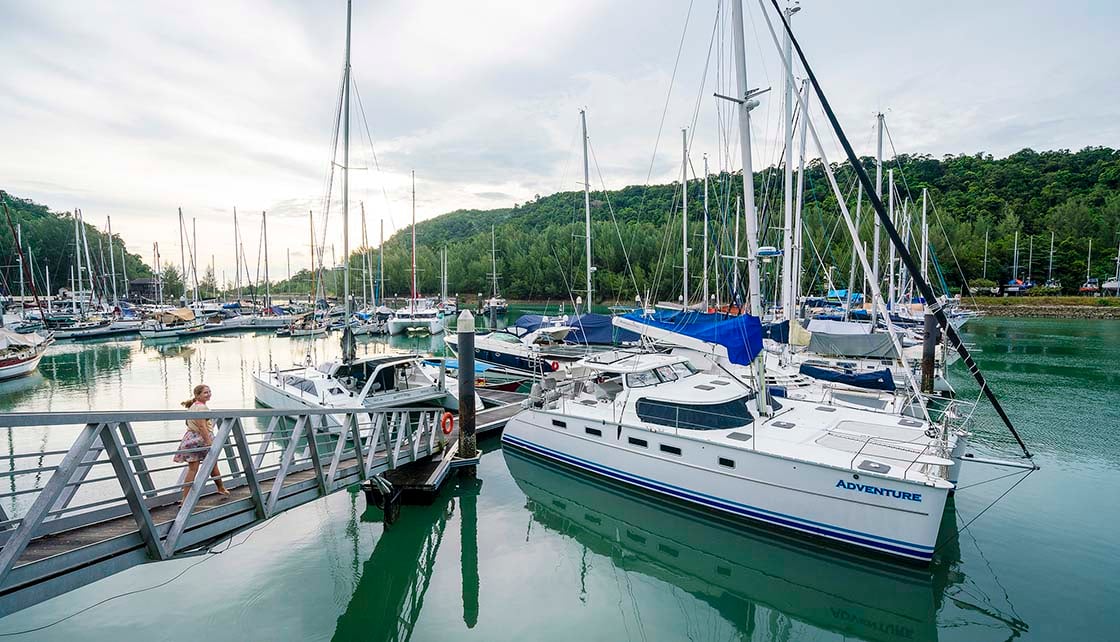
Image: Slow down and have crew on deck when attempting to dock.
7. Approaching a dock
Wind and tidal influence can make docking manoeuvres challenging for the best of skippers.
- Slow down
- Have the fenders in place on the boat’s widest parts
- Put crew on the bow and stern with pre-coiled lines ready to throw
- Take into account wind and currents to assist with manoeuvring.
8. Running a dry engine
Cooling systems are easily damaged or blocked by debris, and water pump impellers are notoriously fragile beasts.
- Start the engine and immediately check for good water flow
- Listen for changes in engine pitch that signal the engine is struggling.
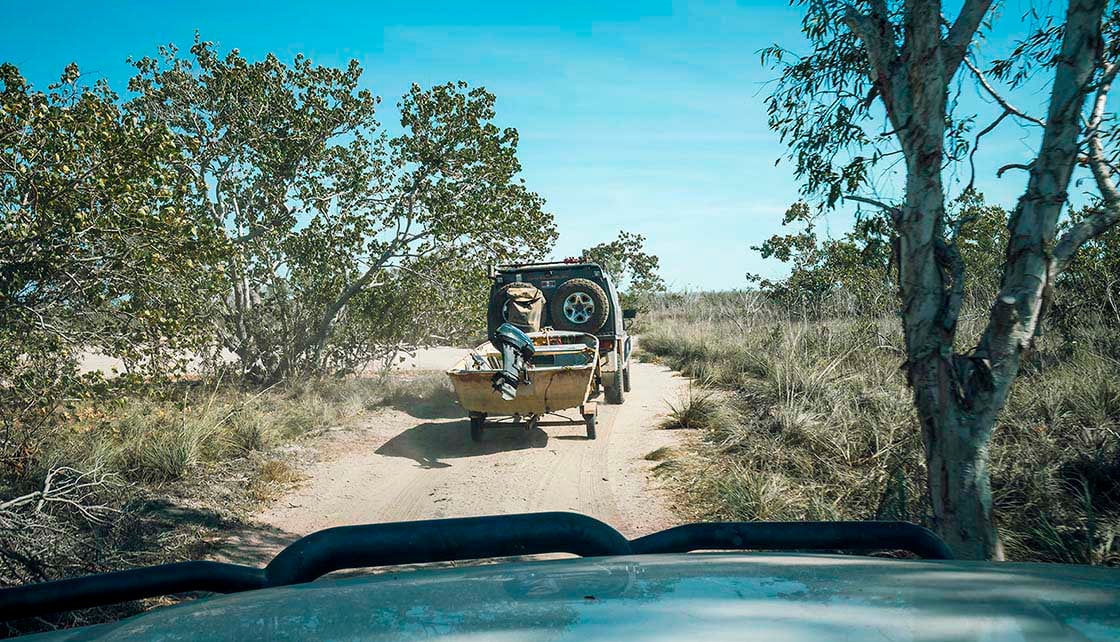
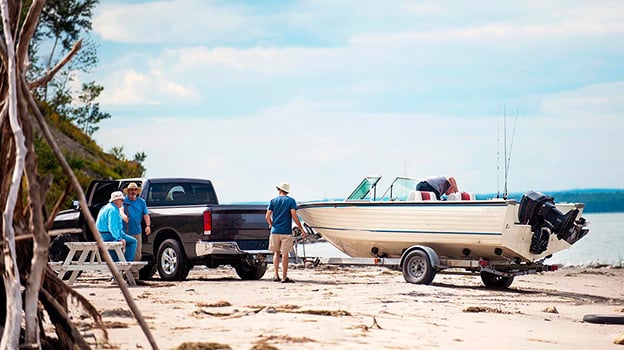
Image: Make sure your boat and outboard are secure before hitting the road.
9. Knowing your location
Electrical failures hit hardest when you’re underway because if your multifunction GPS display goes out, you could be navigating blind. Moisture, vibration and corrosion can cause electrical failures.
- Have an independent backup navigation screen – your phone could suffice – to keep you safely moving forward should the main system fail.
10. Packing up your runabout
If you’re retrieving a trailerboat and there’s rage on the boat ramp, it’s easy to forget your usual pack-up steps.
- Collapse and secure the bimini top
- Drop the outboard back down if there’s enough height, or leave it up and secure a transom support in place.
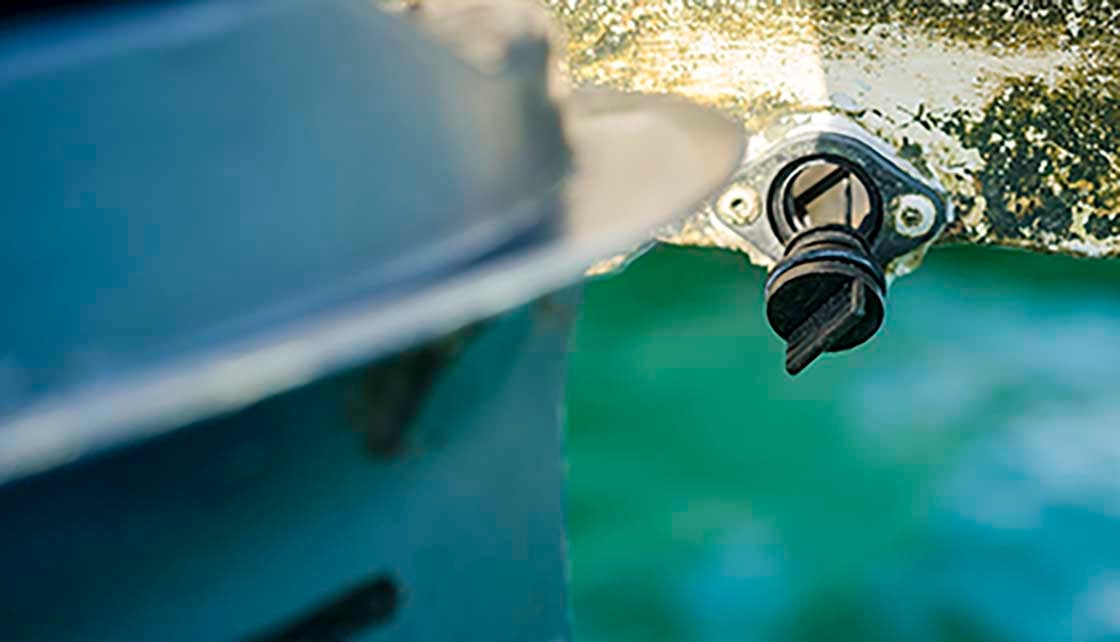
Image: You can't call yourself a boater unless you've forgotten to put the bung in at least once.
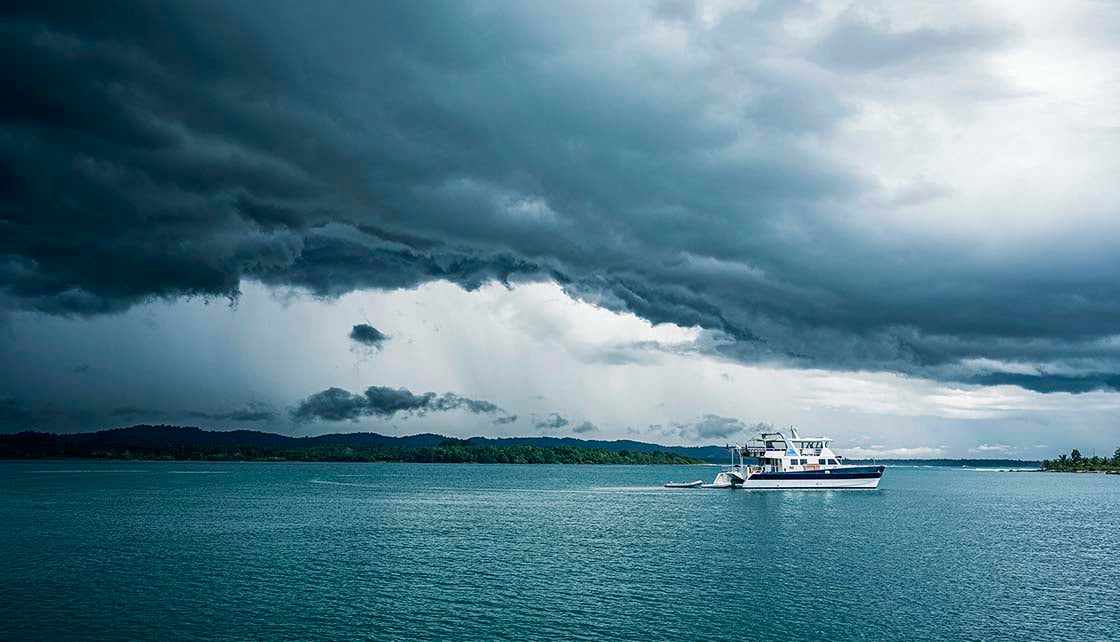
Image: Check for weather updates throughout the day.
11. Don’t get caught in bad weather
Weather can change suddenly over the course of a day, so it’s not enough to check the forecast just once before you head out.
- Check for weather updates throughout the day
- Look at different forecasting models
- Resist the temptation to put faith in the most favourable forecast
- Check currents and know when the tide will turn against you, or in your favour.
12. Remember the bung
You can’t call yourself a boater unless you’ve forgotten to put the bung in at least once.
- Check the bung is firmly in place before launching and you end up swamping the boat’s back end
- Keep a spare bung on hand, just in case one goes overboard.
The full version of this article ran in the June-July (Volume 41.3) issue of Club Marine Magazine. Find out how you can subscribe to Australia’s leading marine lifestyle magazine here.

Want award-winning boat insurance?
RELATED ARTICLES


Any advice here does not take into account your individual objectives, financial situation or needs. Terms, conditions, limits and exclusions apply. Before making a decision about Club Marine boat insurance, consider the Product Disclosure Statement (PDS)/Policy Document and Supplementary PDS (if applicable). Where applicable, the PDS/Policy Document, Supplementary PDS and Target Market Determination (TMD) for Club Marine boat insurance are available on this website. We do not provide any form of advice if you call us to enquire about or purchase a product.
Club Marine Limited (ABN 12 007 588 347), AFSL 236916 issues Club Marine boat insurance and handles and settles claims as agent for the insurer Allianz Australia Insurance Limited (ABN 15 000 122 850) AFSL 234708 (Allianz). Club Marine Limited is a related body corporate of Allianz. Copyright © 2026 Allianz Australia Limited.