
You should be ready for when things go wrong, it is important to have an emergency toolkit prepared.
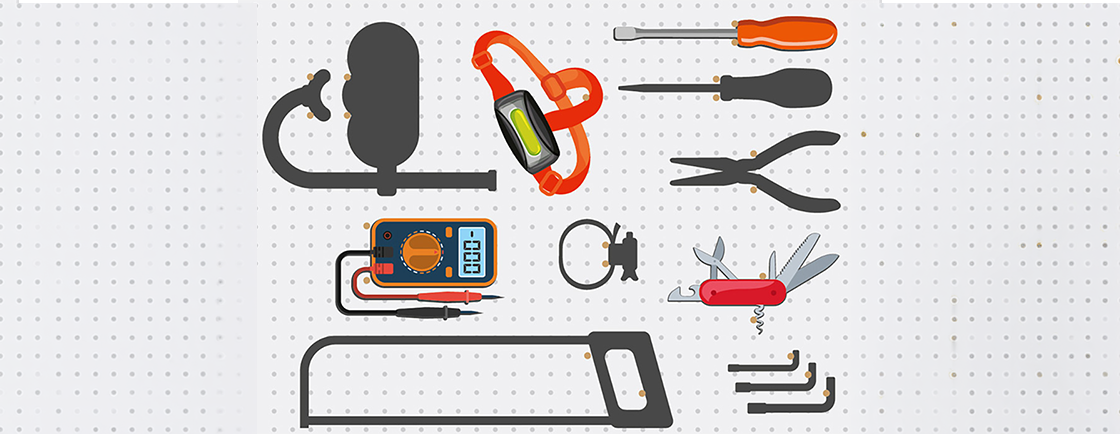
There are many things that can go wrong on boats - props foul, anchors drag, engines stall, and hoses spring leaks. We all hope that when trouble finds us, we’ll have plenty of sea room and hands on deck to help get our boats back on track. But if you’re about to cross a bar, enter a marina, or find yourself drifting swiftly onto a lee shore or into the path of another vessel, you might not have much time to react.
As someone who’s been in that hot seat more times than seems fair, I know the value of an emergency toolkit. There’s plenty of crossover between this kit and my immense stockpile of regular boat maintenance tools - the difference is that I can swiftly have my hands on this ‘first responder’ grab bag of essentials without wasting crucial time rummaging and searching for them.
I keep some items, such as a rigging knife and head torch, close at hand on the helm. The rest is stored in a waterproof tool bag that’s also stocked with quick-fix consumables such as epoxy putty, cable ties and waterproof tape. It doesn’t contain everything I might need, but it’s usually enough to hold back the tide.
What are the essential items?
What else can I have?
- Prop puller and spare prop
- A jerry can of clean fuel
- Jumper leads for small boats without an auxiliary charging system
- A tow line as a last resort to enable any willing and able vessel to tow you home.
The full version of this article ran in the Apr-May (Volume 41.2) issue of Club Marine Magazine. Find out how you can subscribe to Australia’s leading marine lifestyle magazine here.
RELATED ARTICLES






Any advice here does not take into account your individual objectives, financial situation or needs. Terms, conditions, limits and exclusions apply. Before making a decision about Club Marine boat insurance, consider the Product Disclosure Statement (PDS)/Policy Document and Supplementary PDS (if applicable). Where applicable, the PDS/Policy Document, Supplementary PDS and Target Market Determination (TMD) for Club Marine boat insurance are available on this website. We do not provide any form of advice if you call us to enquire about or purchase a product.
Club Marine Limited (ABN 12 007 588 347), AFSL 236916 issues Club Marine boat insurance and handles and settles claims as agent for the insurer Allianz Australia Insurance Limited (ABN 15 000 122 850) AFSL 234708 (Allianz). Club Marine Limited is a related body corporate of Allianz. Copyright © 2026 Allianz Australia Limited.