
After a disturbing cluster of shark incidents we examine whether the danger is increasing and what boaties can do before entering the water.
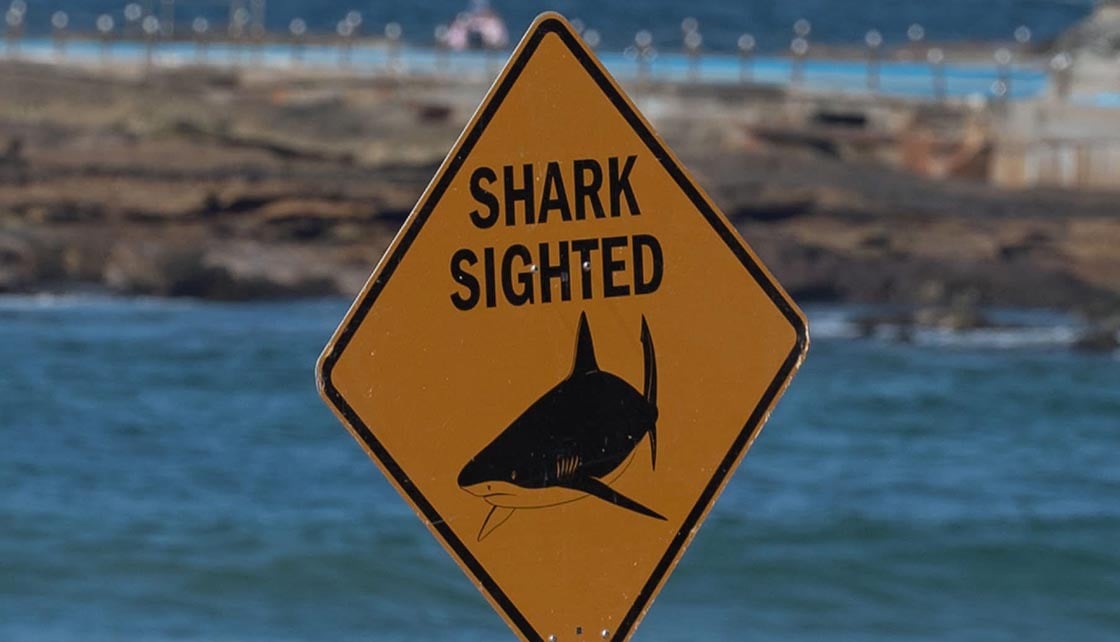
It took only a handful of tragic days between September 2025 and January 2026 for many ocean-loving Sydneysiders – and Australians in general – to be jolted out of a long-held complacency about sharks.
Personally, I haven’t had a solo ocean swim since the cluster of shark incidents occurred in Sydney, and my regular swimming group has changed its route and adopted additional precautions. We are hardly alone. A scan of ocean swimming and surfing forums reveals a fundamental shift in people’s relationship with the ocean.
But are the risks really greater than in the past? Are there more sharks, or are humans and sharks simply overlapping more often in increasingly busy coastal waters?
Have environmental conditions altered where encounters occur? And can surveillance, research and personal deterrent technology reduce the likelihood or consequences of an attack?
The questions are confronting but necessary, since there will never be a completely shark-proof ocean. The more useful objective is to understand when risk becomes elevated and make better decisions before entering the water.
Four incidents in 48 hours
On January 17, Newcastle fisherman Joel Nancarrow – well known for his Hunter Shark Jaw Restoration Facebook page – posted footage of a large bull shark caught in the upper Hunter River.
Heavy rain had impacted rivers and estuaries, turning coastal water brown with runoff. Nancarrow issued a blunt warning: “This is not the week to be swimming anywhere near river mouths or dirty water in the surf.”
The following day, 12-year-old Nico Antic was critically injured by a bull shark at Steele Point near Nielsen Park, Sydney Harbour. Nico had been jumping from rocks with friends, as generations of Sydney children had done before him. He later succumbed to his injuries.
Two more incidents occurred on January 19. At North Steyne, Manly, surfer Andre de Ruyter, 27, suffered severe injuries in an encounter assessed as involving a bull shark. His survival owed much to fellow surfers, bystanders who controlled the bleeding and the coincidence of a trauma doctor passing nearby.
Earlier that day at Dee Why, an 11-year-old surfer escaped injury when a shark bit his board.
Then, on January 20, 39-year-old surfer Paul Zvirzdinas suffered minor wounds after a suspected bull shark bit his board and wetsuit at Point Plomer on the NSW Mid North Coast.
Bull shark habits and habitat
Four incidents in roughly 48 hours, which the NSW Department of Primary Industry (DPI) suspects were all by bull sharks, were enough to profoundly unsettle a state already wary of what might be moving beneath the surface.
It sparked calls for authorities to take additional steps to better protect swimmers and surfers, although obviously there is no simple fix.
Bull sharks are particularly suited to Sydney Harbour and other major estuaries because they tolerate both salt and fresh water. Tracking research shows that their presence in southern NSW generally increases as coastal waters warm, with more sharks detected during summer and autumn.
Freshwater runoff, reduced visibility and displaced prey can bring bull sharks and water users into the same confined areas. The January incidents occurred not simply during “shark season” but amid a convergence of warm water and intense rainfall.
The sharks mostly arrive when the water temperature climbs above 19 degrees, with peak numbers enjoying 22 degrees in January and February. As the temperature drops they swim north to Queensland, then return to their summer haunts from October onwards.
Bull sharks are also crepuscular, meaning they usually hunt in low light conditions. Given that, there’s an elevated risk of taking an early morning or late evening dip. More so after heavy rain.
Are shark numbers increasing?
Anecdotal claims, including from commercial fisherman and surfers, suggest that bull shark numbers are increasing, but the NSW DPI says there isn’t concrete evidence.
“Catch rates of bull sharks on SMART drumlines and in nets in the NSW Shark Management Program have remained relatively consistent for the last 10 years,” it said in a written response to Club Marine Magazine.
The NSW Government’s Shark Management Program is the biggest and most expensive of its kind in the world, costing $120 million over two years.
It covers:
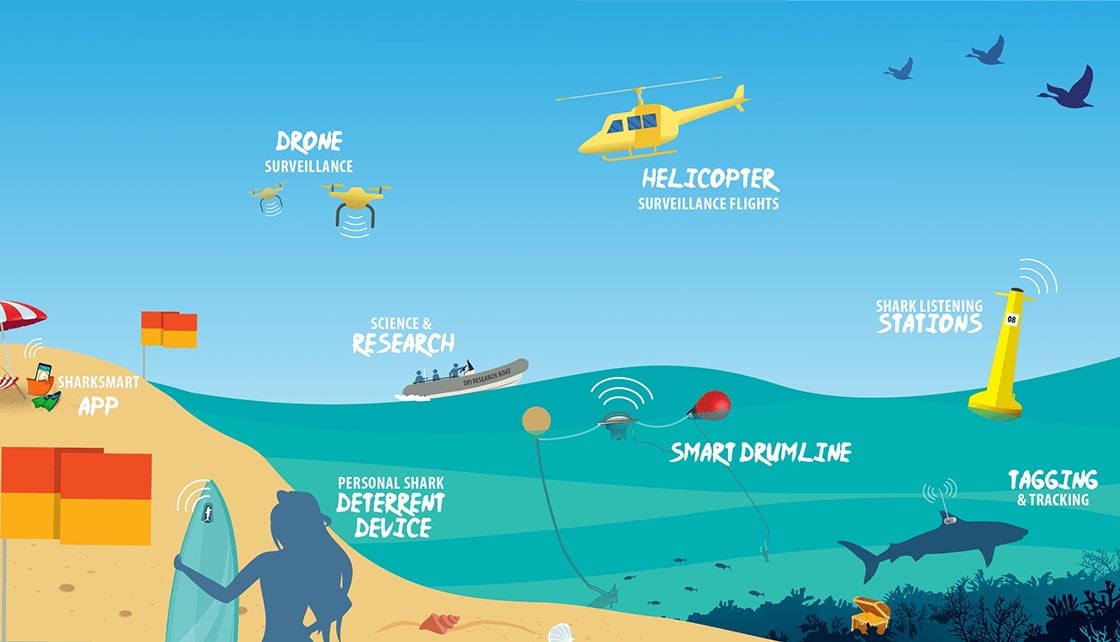
- 305 SMART (Shark Management Alert in Real Time) drumlines in 19 local government areas for year-round coverage
- Shark nets at 51 beaches across eight LGAs between Newcastle and Wollongong, deployed 1 September to 31 March
- Tracking the movements of tagged sharks via 37 tagged shark listening stations, with at least one station in every coastal local government area for year-round coverage.
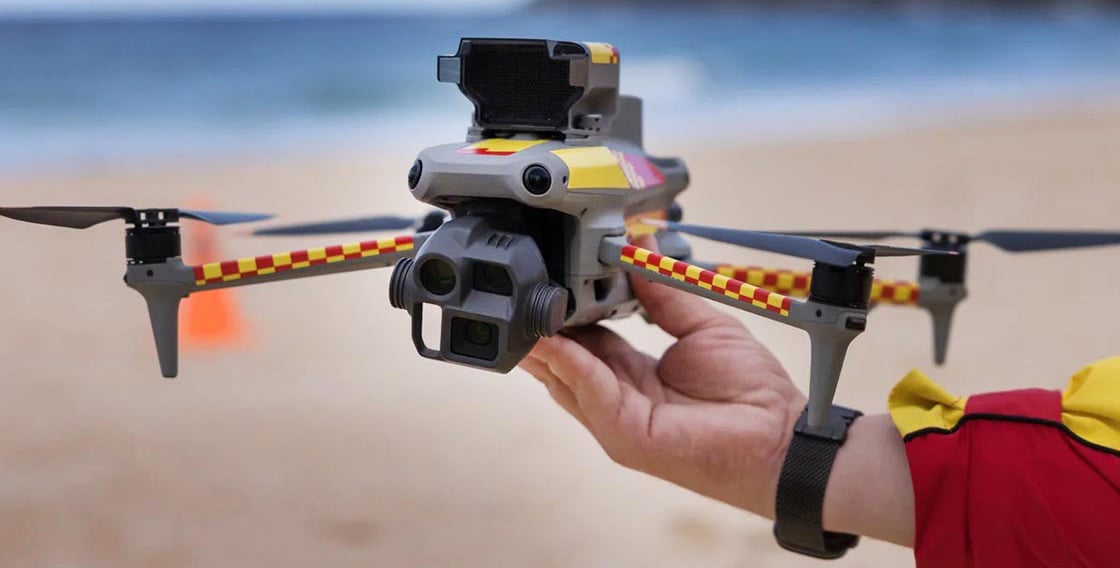
An expanded drone surveillance program was also announced after young mother Leah Stewart was bitten by a white shark at Coogee in June 2026.
There will now be year-round coverage at about 70 beaches along the NSW coast, costing $34 million.
On the lookout for sharks
In the first month of the drone program, Surf Life Saving NSW undertook more than 25,000 flights covering over 165,000km of coastline and sighting over 600 sharks.
Two new shark listening stations have been deployed in Sydney Harbour, one off Balmoral and the other near the Sow and Pigs reef off Camp Cove. If a tagged shark is in the vicinity, a ping will be picked up and an alert sent to the official SharkSmart app.
This app, incidentally, has been downloaded more than 430,000 times, albeit listening stations only detect tagged sharks. The DPI has also ramped-up its bull shark tagging program in the Harbour, reeling-in 108 individuals.
Dearth of shark data
There was very little data on the behaviour and patterns of bull sharks in rivers and coastal waters off the NSW and Queensland coasts until the NSW DPI began tagging them back in 2009. Sixteen years later, over 240 sharks have been tagged, enabling their movements to be monitored and studied.
The Department told Club Marine Magazine it wasn’t dismissing the reports by surfers and fishers of increased shark sightings, only that “it does not necessarily mean they are all bull sharks or that populations are substantially increasing.”
A population baseline on bulls – which aren’t a protected species in NSW, unlike white and tiger sharks – would provide valuable information for mitigation schemes.
Similarly, there are no verifiable numbers for tiger sharks, other than a 2019 Australian Marine Conservation Society (AMCS) and Humane Society International (HSI) study that reported a 71 per cent decline in three decades due to commercial fishing and Queensland’s Shark Control Program (SCP).
The Queensland Government is researching the effects of its control program on local shark populations as part of a new project that will examine the biology, genetics and population structure of key shark species, including bull sharks and tiger sharks.
The first stage of the project, due to be completed by February 2027, will analyse DNA from breeding populations and investigate how shark populations respond to fishing pressure.
White shark breeding grounds
In the case of white sharks, there’s data dating back to 2018. A CSIRO study estimated roughly 750 adults in an east coast population and 1460 in a south-western population in South and Western Australian waters.
Other CSIRO research using electronic tagging has identified two nursery areas for juvenile white sharks in eastern Australia – off Port Stephens NSW and the 90 Mile Beach/Corner Inlet region of eastern Victoria.
According to the study, juvenile white sharks aged one to five years, and ranging from 1.8m to 2.6m in length, aggregate in the Port Stephens region from early spring to mid-summer. They apparently spend a significant amount of time in the surf zone along northern Stockton Beach and Bennetts Beach.
How boaties can protect themselves
If you intend to be in the water around the same time, enjoying a few waves, snorkelling, spearfishing or swimming off the boat, then maybe it’s time to dive into the ever-evolving array of personal shark deterrents.
From wearable anklets, to electrodes built-in to your surfboard and fins, to bite-resistant wetsuits and fishing tackle that discourage shark pilfering, there’s a product aimed at offering you reassurance.
Electric deterrents for sharks
One of the most promising commercial versions of electronic technology was a device called Shark Shield/Ocean Guardian that slotted into the tail of surfboards. The company went into voluntary liquidation in 2024, however the IP appears to be available through a company called Underwater based in Byron Bay, via Sentinel Ocean System.
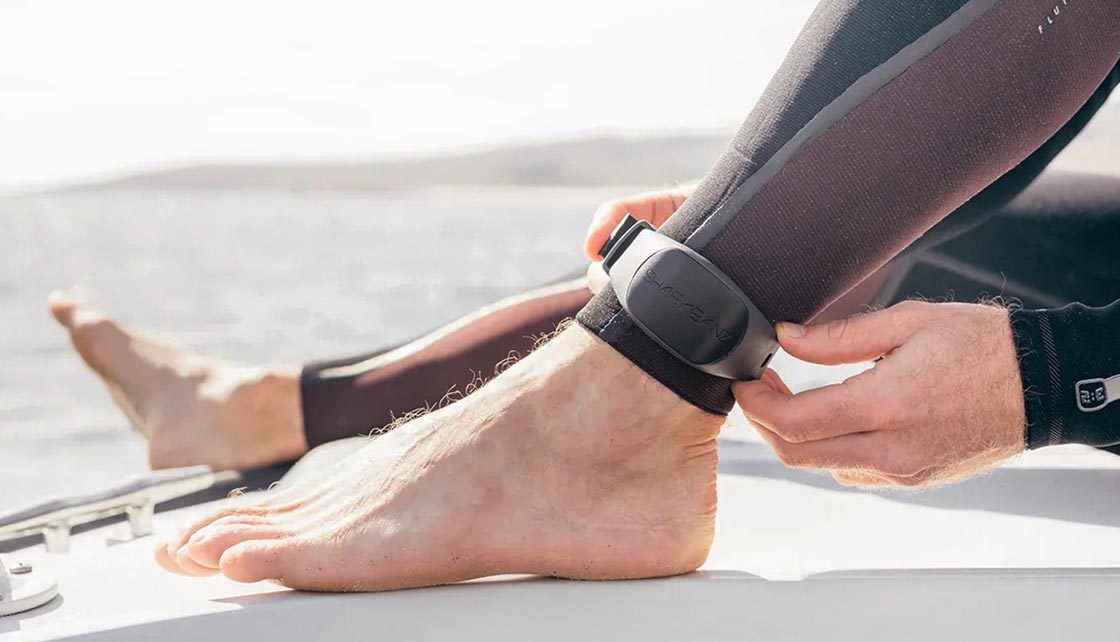
Another product is Sharkbanz, which can be worn on your wrist or ankle and creates an electromagnetic field to deter inquisitive sharks. According to the company, “the deterrent field is approximately 1-2 metres.”
Various forums debate Sharkbanz’s effectiveness and the company acknowledges that the product won’t stop a white shark in full ‘ambush’ mode.
Sharkbanz shark deterrent
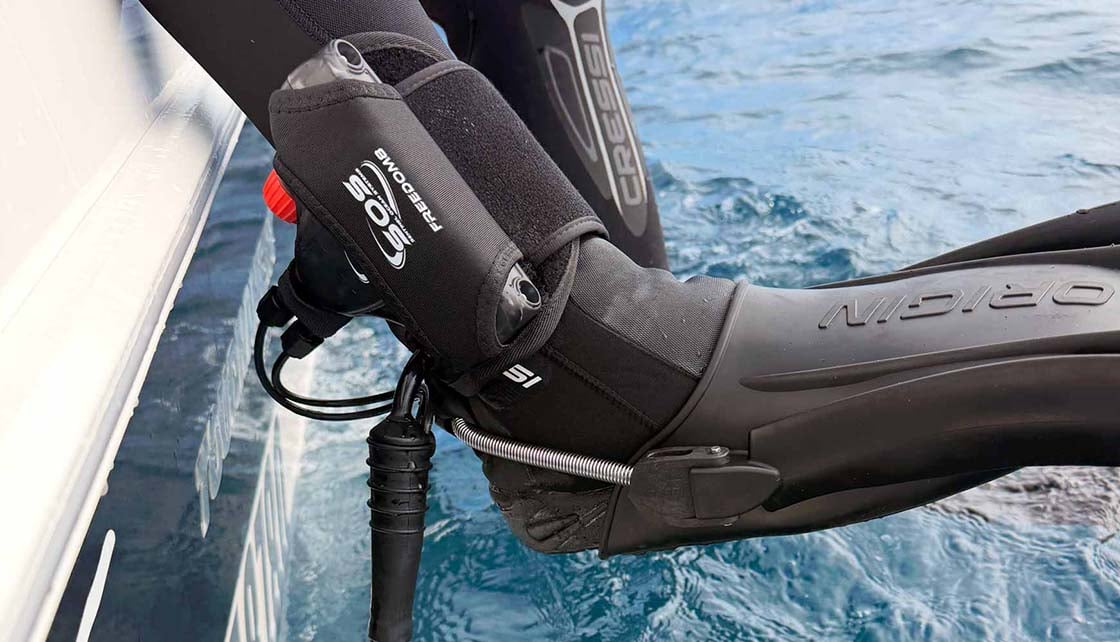
SOS Freedom8 shark deterrent
Bite-resistant wetsuits and smart sensors
Another recent study examined shark bite-resistant wetsuits and found they could lessen the severity of puncture wounds and blood loss. The four materials tested – Aqua Armour, Shark Stop, ActionTX-S and Brewster – all reduced the amount of substantial and critical damage compared with standard wetsuit material.
Another encouraging technology in development are ‘smart’ surfboard fins embedded with sensors, electromagnetic systems and illumination features. The project at the University of Wollongong, in partnership with the surfboard industry, is working on ensuring the fins also meet performance requirements.
Sprays and visual deterrents, such as eyes or patterns, have been marketed but are said to lack rigorous scientific proof of effectiveness. Similarly, some inflatable sea pools claim shark protection without independent verification – most are only suitable for jellyfish, stingers and small marine life.
Eventually a combination of high-tech electrical field and wetsuit technologies may give watersports users a high degree of confidence of avoiding or surviving a shark bite.
Be aware, not afraid
No surveillance program can detect every shark, no deterrent can guarantee protection and no government can make an open ocean completely safe. Shark nets and indiscriminate lethal measures also carry significant environmental costs, including the capture of threatened sharks, rays, turtles and marine mammals.
The more defensible approach is layered protection: better research, drones, tagged-shark alerts, carefully tested personal deterrents, safer swimming enclosures, improved first-aid capability and – most importantly – sound decisions by the people entering the water.
For boaties, that begins with abandoning the assumption that every serene anchorage is automatically a safe swimming hole. Before anyone jumps in, assess the water clarity, proximity to river mouths, baitfish activity, fishing operations and the ability to retrieve a swimmer quickly.
The object is not to become frightened of the ocean but more attentive to it.
Perhaps the final word belongs to Mike Psillakis, twin brother of Dee Why surfer Mercury Psillakis, whose death prompted renewed reflection about how we share the sea.
“People often ask me if I’m afraid,” Mike wrote. “To be honest, I’m not. Never was in the past, and still not. I would say that I’m more aware, but not afraid.”
That may be the most sensible position of all.
Shark safety tips
Before entering the water
- Never swim alone: Stay with other swimmers to improve visibility and ensure immediate assistance.
- Choose your spot: Don’t swim near steep drop-offs or estuary mouths where larger sharks hunt. Keep someone aboard maintaining a lookout.
- Avoid low-light hours: Stay out of the water during dawn, dusk and at night when sharks are most active.
- Environmental signs: Avoid swimming after heavy rain, in dirty water, or near areas with active fishing and diving seabirds.
- Watch local wildlife: Leave the water immediately if you see baitfish, seals or dolphins acting oddly.
- No open wounds: Stay out of the ocean if you are bleeding.
- Devices: Consider an independently tested electrical deterrent, while recognising that no device provides a guarantee.
- Smartphone apps: Check SharkSmart alerts before entering the water, remembering that not every shark is detected.
Tips for spearfishing and diving
- Never carry speared fish: Put fish on a float line well away from you, and end the dive if sharks show interest.
- Remain calm: Face the shark, form a group and avoid frantic splashing.
- Behavioural cues: Leave if a shark repeatedly approaches, circles tightly, drops its pectoral fins, arches its body, makes abrupt turns or appears agitated.
- Carry suitable equipment: Have a surface marker buoy, whistle, cutting tool, first-aid kit and a clear emergency plan.
Tips for water skiers and wake surfers
- Danger areas: Avoid baitfish activity and areas where fish are being cleaned or caught.
- Summon attention: Point toward the shark so the driver and observer understand the urgency. Raise a ski vertically so the boat crew can locate you quickly.
- No thrashing: Bring your ski/s close, stay as still as possible and keep watching the shark.
- Protect yourself: Keep the ski/board between you and the shark if approached. Climb aboard the boat at the safest point.
- Issue a warning: Leave the area and let any other skiers know; in NSW, report the sighting through SharkSmart.
Suggested first-aid response
Call Triple Zero immediately and control bleeding before attempting a lengthy return to shore. Follow emergency service instructions regarding rendezvous points and evacuation.
Boats should ideally carry emergency equipment including:
- A substantial trauma first-aid kit
- Several pressure bandages and large dressings
- A tourniquet, with crew trained in its use
- Marine radio or reliable phone communications
- GPS to relay the boat’s exact position
- A boarding method suitable for lifting an injured person

Want award-winning boat insurance?
RELATED ARTICLES








Any advice here does not take into account your individual objectives, financial situation or needs. Terms, conditions, limits and exclusions apply. Before making a decision about Club Marine boat insurance, consider the Product Disclosure Statement (PDS)/Policy Document and Supplementary PDS (if applicable). Where applicable, the PDS/Policy Document, Supplementary PDS and Target Market Determination (TMD) for Club Marine boat insurance are available on this website. We do not provide any form of advice if you call us to enquire about or purchase a product.
Club Marine Limited (ABN 12 007 588 347), AFSL 236916 issues Club Marine boat insurance and handles and settles claims as agent for the insurer Allianz Australia Insurance Limited (ABN 15 000 122 850) AFSL 234708 (Allianz). Club Marine Limited is a related body corporate of Allianz. Copyright © 2026 Allianz Australia Limited.